Temporary department
Material Utopias
On serendipity during the experimental processes of artists and designers
There were many reasons for starting a materials-based Master programme. Objects are never merely objects. Beneath the skin of both artworks and designs many references, narratives, ideas, and memories hide. These are able to trigger the imagination of the viewer and user on many levels, as they acknowledge him as a sensuous physical being who is capable of discerning the spiritual within the material; discerning the many layers of meaning that hide in physical objects.
Another reason for starting a materials-based department at the Sandberg Instituut, and thus starting collaboration with the Gerrit Rietveld departments/ workshops - Glass, Ceramics, Textile - and external workshops, resides in the very act of creating art and design. How does the artistic process function at its best?
‘Ideas are either ín the head, or outside of it. And I rather think that the ideas outside the head open the head better than the ones inside the head.’ Composer, writer, artist John Cage spoke these words in the documentary How To Get Out Of The Cage - A Year With John Cage, created by Frank Scheffer between 1982 and 1992.
How to get out of the Cage?
How to get out of the head?
Thinking tends to revolve around the already known, the common, the all too familiar. Thinking tends to be circular, taking place inside the head. How can a context such as the Sandberg Institute create the best options for evoking surprise, wonder; for allowing novel insights to shake up conventional ideas and prejudices of what art, or design, should be? Should coincidence and intuition not play a major role in this process?
There’s much reason to assume that chance will most likely appear during a process in which the human mind simply needs to accept the unavoidable, the accidental, the coincidence.
Here the experimentation with materials comes in as a magnificent creative force. While working with materials and discovering the qualities and potential of techniques, an artist and designer will discover quite fast that he cannot fully control them, as they seem to have a will of their own. One cannot hold on to preconceived plans and ideas, nor dictate the exact outcomes. One needs to rely on personal sensations and intuition, be open to whatever appears by chance, and welcome failures and mistakes as new options. The beautiful word Serendipity points to this quality.
As materials contain many historical, cultural and social references, the surprise that is caused by working with them, will also shake up those references. Therefore experimenting with materials evokes thinking, evokes the birth of ideas, as well as a multitude of sensations.
Now there’s much more to say about the importance of developing new ideas during the experimentation with materials, such as the pitfalls of focussing too much on the materiality of things, and thus the danger of focussing on virtuosity in the making (whereas some projects might deserve clumsiness or working with found objects). There’s also much more to say about the importance of materialized ideas in works of art and design. Within the department we devote ample time to these topics. But in this context it’s important to devote attention to another aspect we embrace naturally within the department: artists and designers working side by side. Seemingly not a logic choice.
ART – DESIGN
Traditionally both fields of interests have many differences, such as the presumed autonomy and freedom of the arts versus the presumed functional essence of design. However, art and design practices also share many similarities, such as the need to become aware of a personal voice, personal fascinations and artistic talents; the need to trust the intuition, the need to stir the imagination of the viewer, spectator, user. The artistic process of artists and designers knows many similarities.
In the first year those similarities dominate the lessons. Side by side the artists and designers experiment with a great variety of materials, techniques, forms, ideas, project aims. They surprise and inspire each other with the various outcomes of their individual processes. And they inspire each other with the specific qualities that were always linked to the various disciplines: the designers are challenged to explore their artistic freedom; the artists are challenged to become aware of the demands of a given context.
In the second year the students work towards their individual final graduations. Time for an increased awareness of the various contexts in which the results will find their home. Time to discuss the differences again.
In these last decades designers seem to have retreated from the real world of everyday functional objects and gained access to the white cube spaces that once belonged to the art world only. In spite of these developments designers still are bound by the essentially functional nature of their field of expertise, and the implications that go with it. Abandoning those essences and ignoring those implications would neither lead to art, nor design, but more likely to a mere stylistic play of visual similarities. Even if a designer chooses to work in the grey area where fields seem to overlap, where his experiments examine the conventional limits of his discipline, he should know the borders he crosses, have a keen awareness of the areas and frameworks from where he starts. And he should know the context in which his works will land someday. Time and again the question will be asked ‘What is Design?’
Also in art a paradigm shift took place in the last decades. In the 21 century the conventional habitat of art is not necessarily the white cube space of the museum or the gallery. Artists have left those secluded areas and deal with politics, with social issues. They incorporate ambitious messages in their work and aim to be heard by a larger world. Does this mean that autonomy has ceased to play a role in art? Does this mean that any border can be crossed at will, as if those borders no longer exist? As with design on the borderline of art, also here a keen awareness is crucial of the framework, the context, within which an artist develops his projects. Ignorant projects can easily turn into hollow rhetoric. Even for artists who aim for the traditional white cube space of a museum, questioning that very context should be part of the endeavour. After all, questioning will always strenghthen a position. Time and again the question will be asked ‘What is Art?’
Throughout their studies, both the artists and the designers continue to let themselves be surprised by their material experiments and the consequences of those surprises. They will continue to investigate and cross the conventional borders of their disciplines. But they will do so from a thorough awareness of the fields from which they started.
(this text was the lecture spoken by Louise Schouwenberg at the opening event of the Sandberg Instituut October 1, 2014)

Empty pots in their habitat
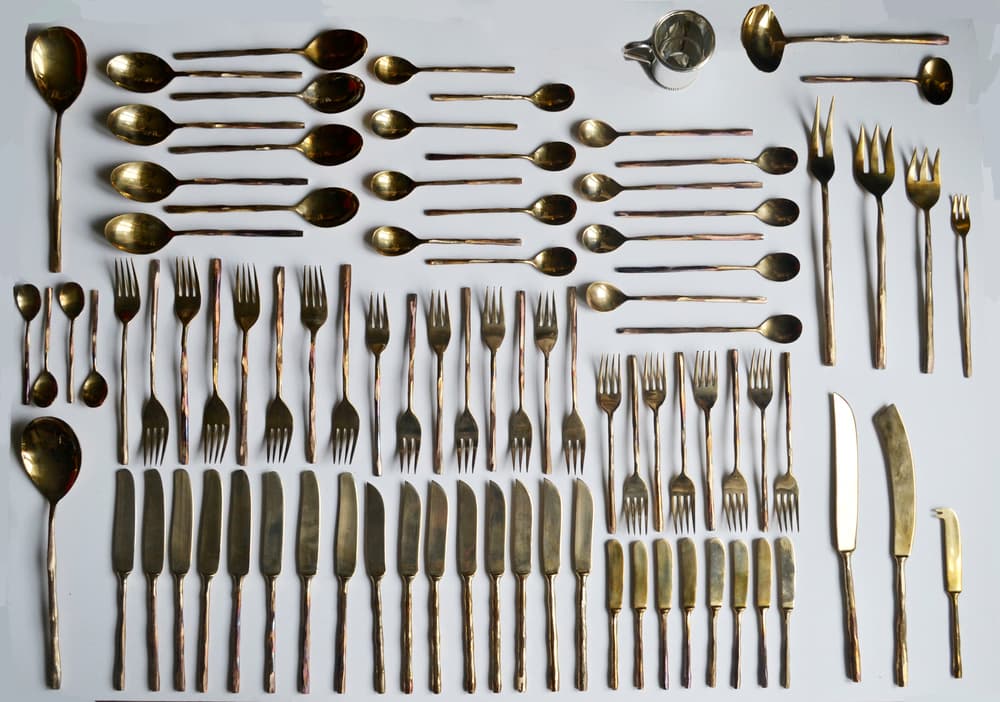
Cutlery
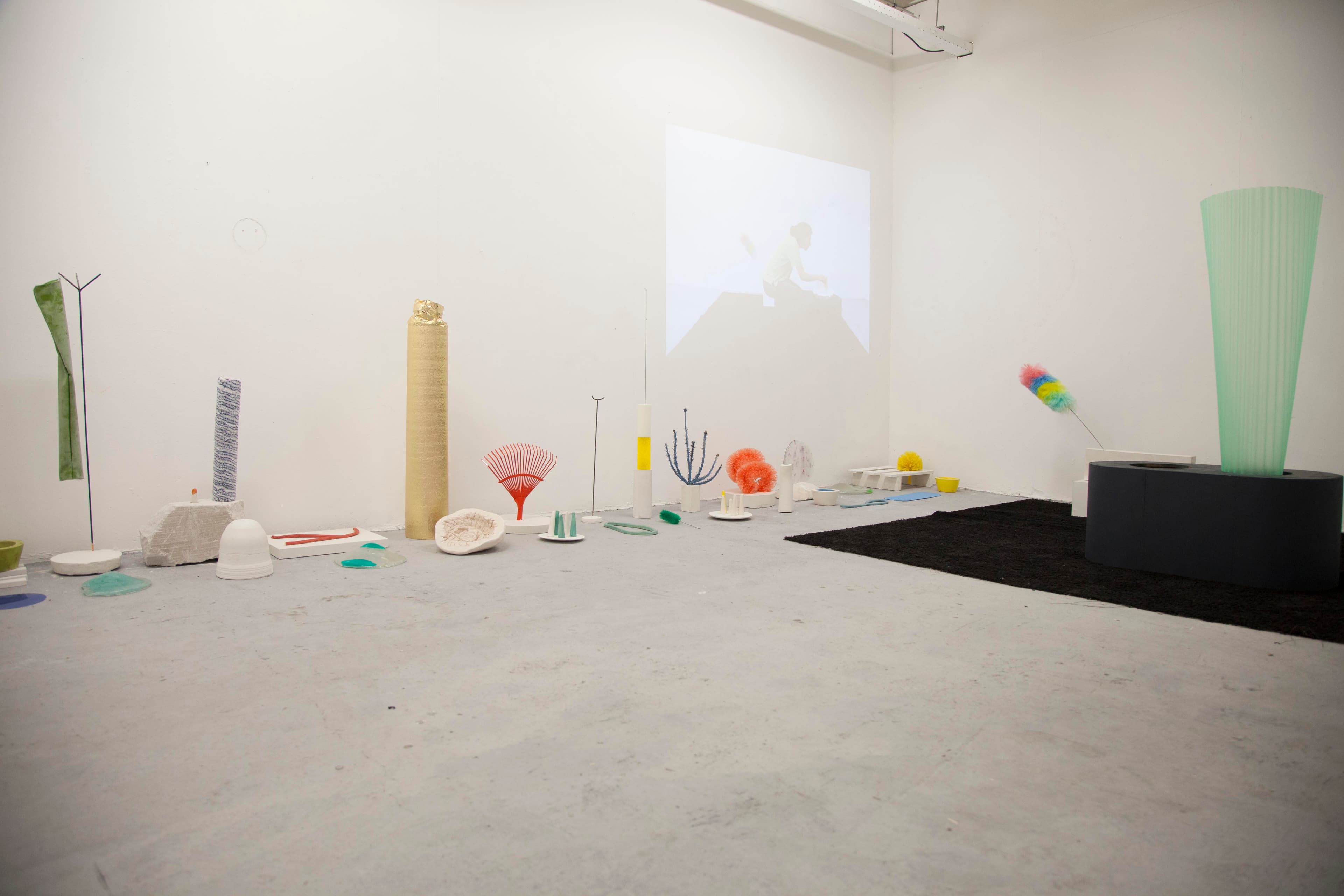
Installation view
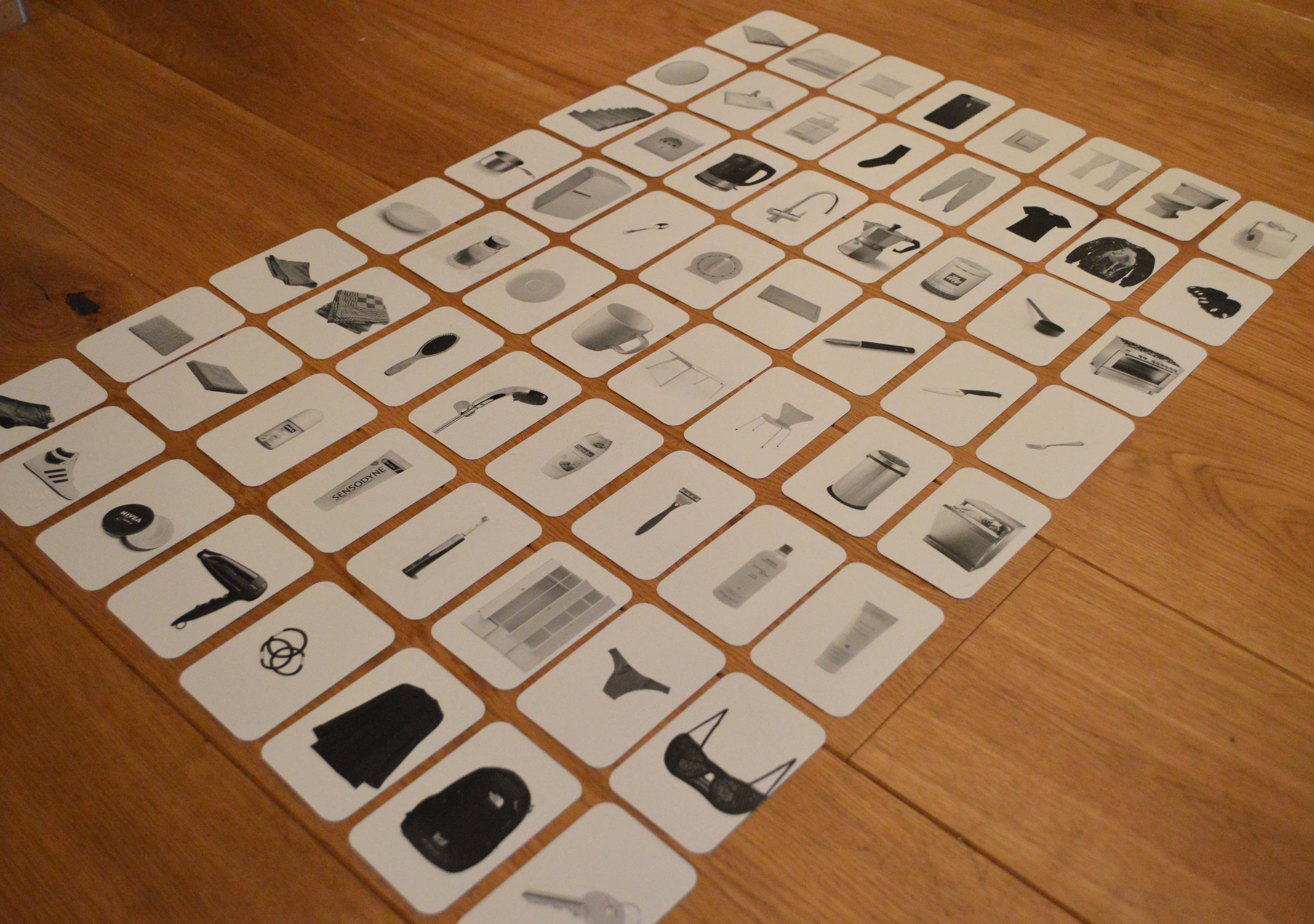
The everyday. By the time I leave my house, I have used about 78 objects
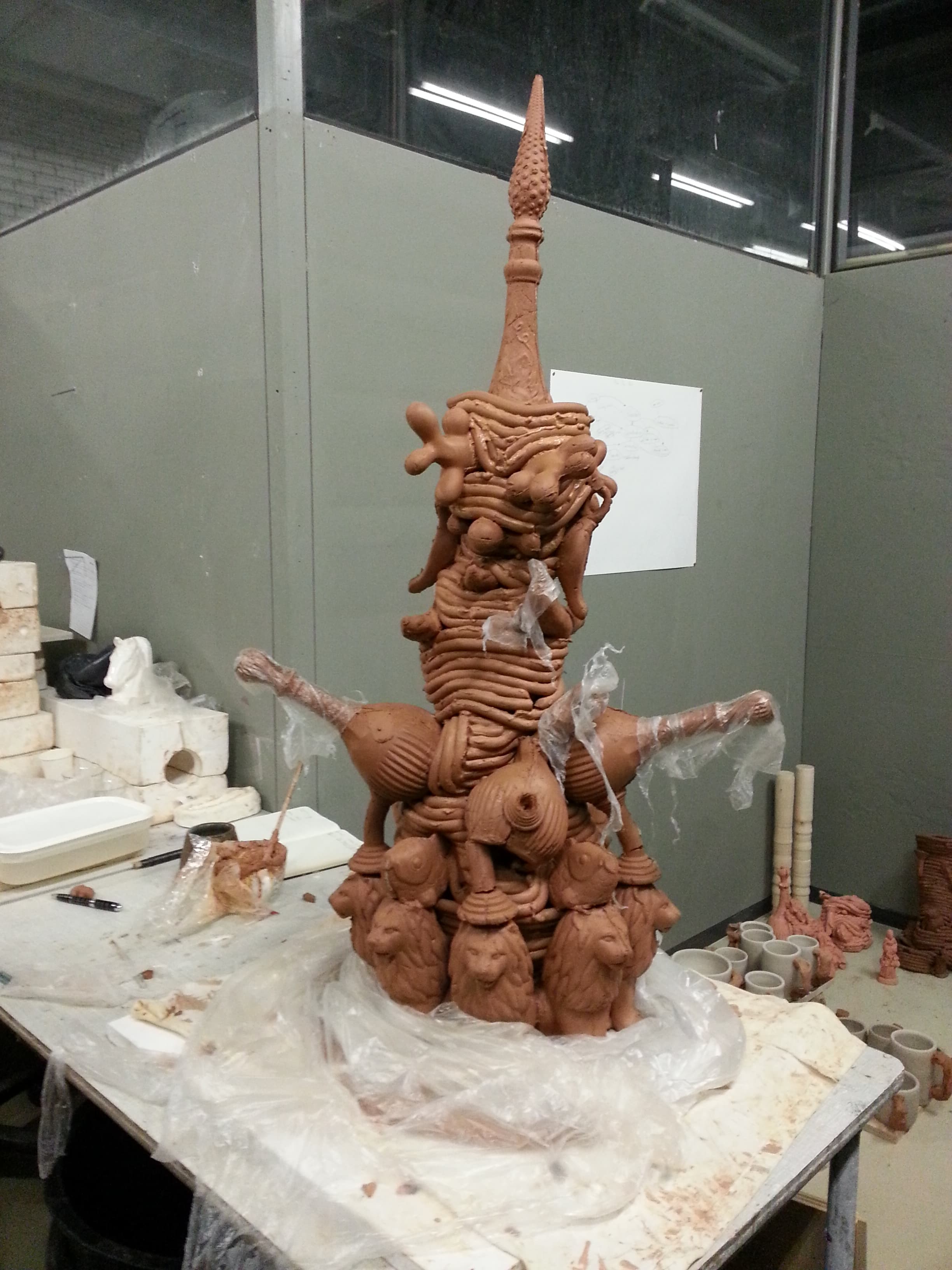
Work in progress, pilar
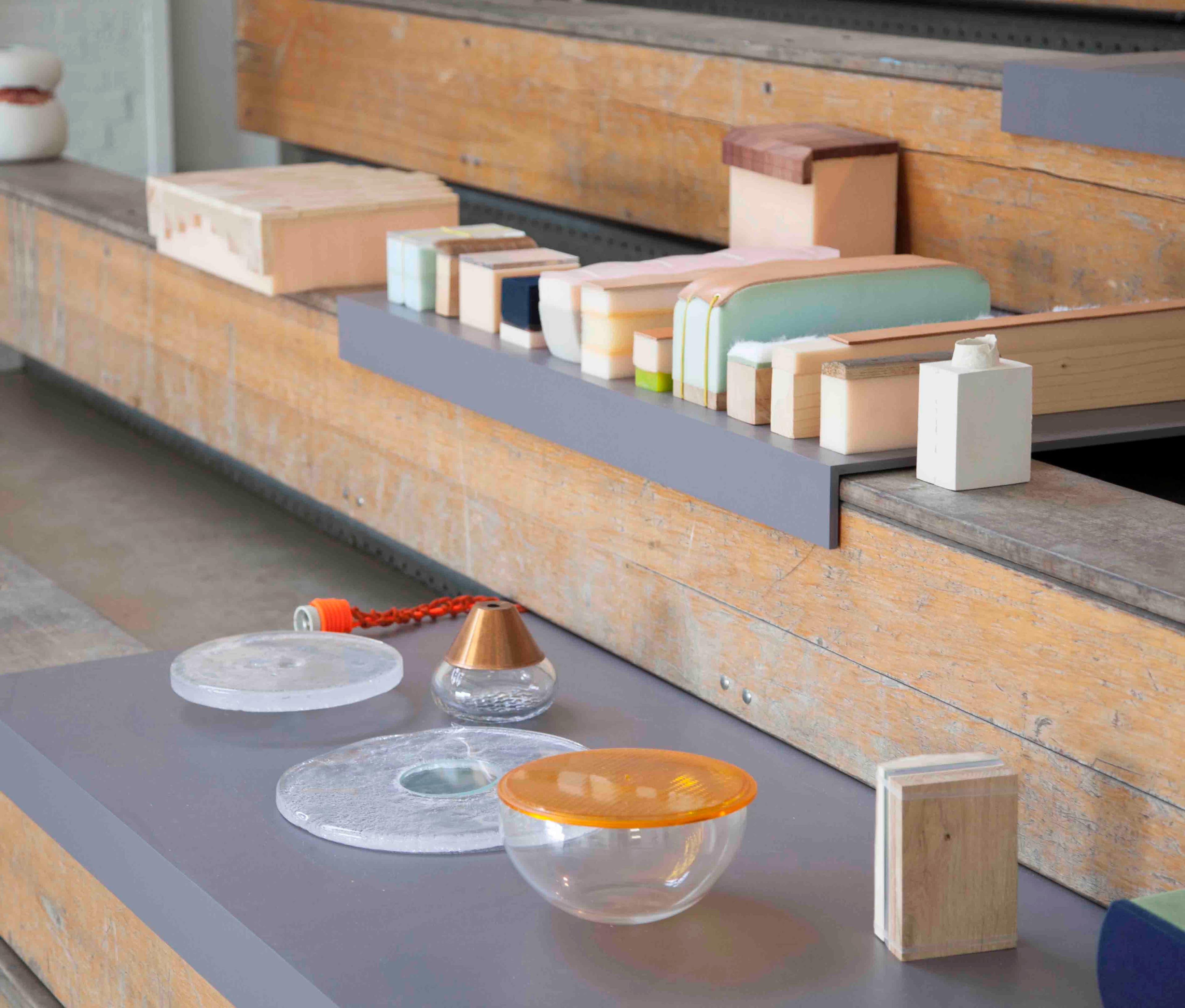
Study of material combination
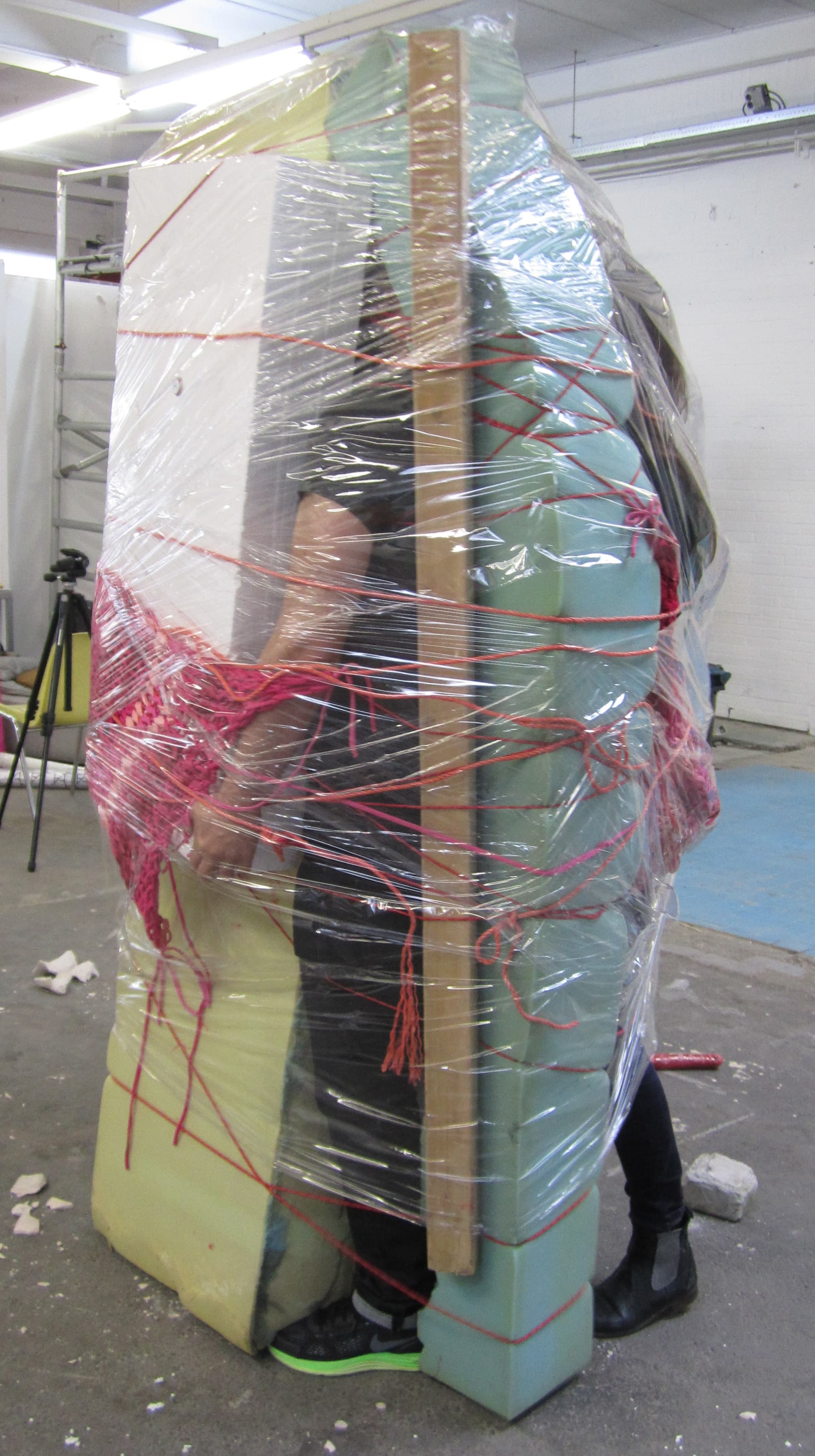
A Shelter
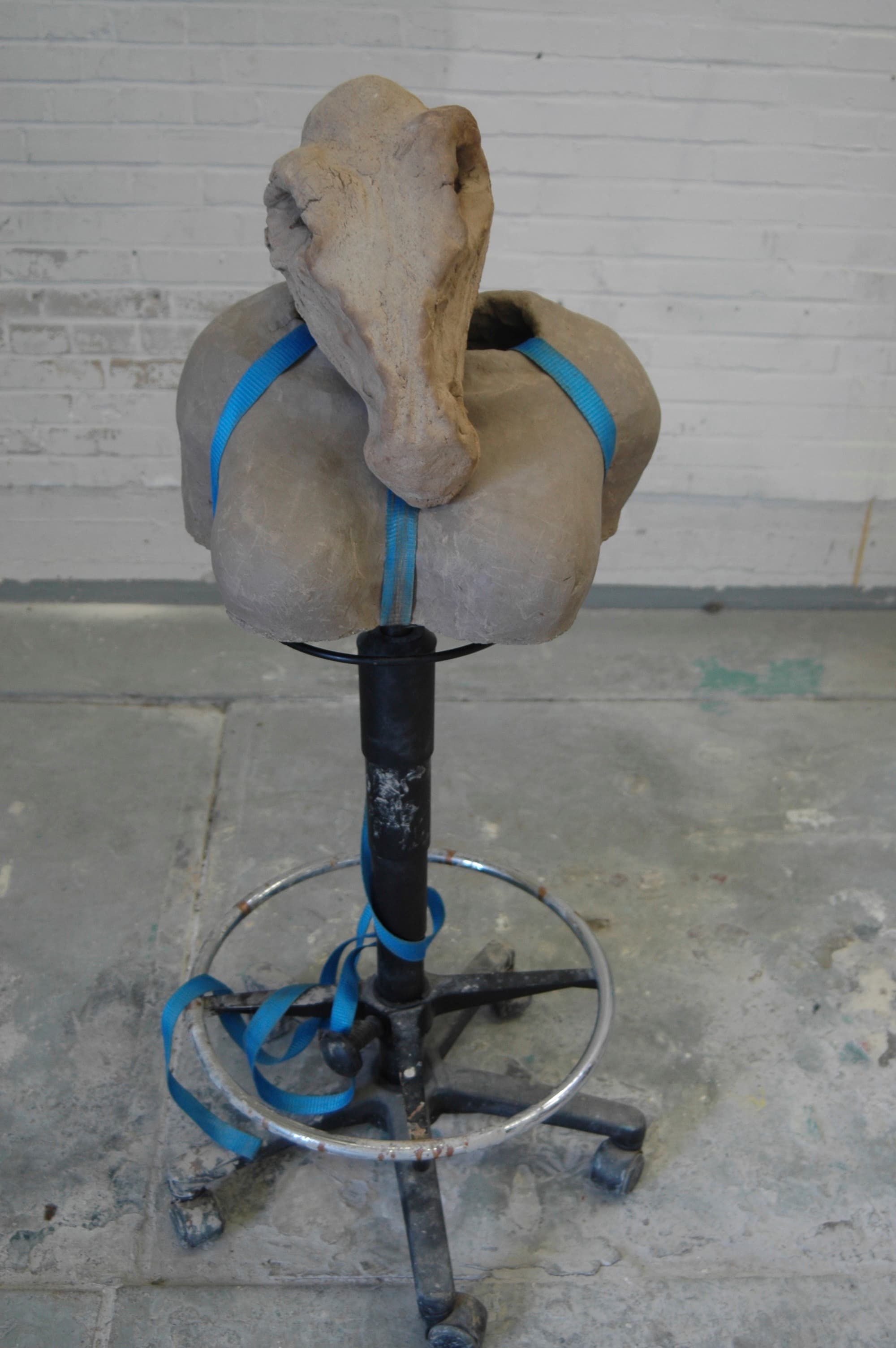
Untitled
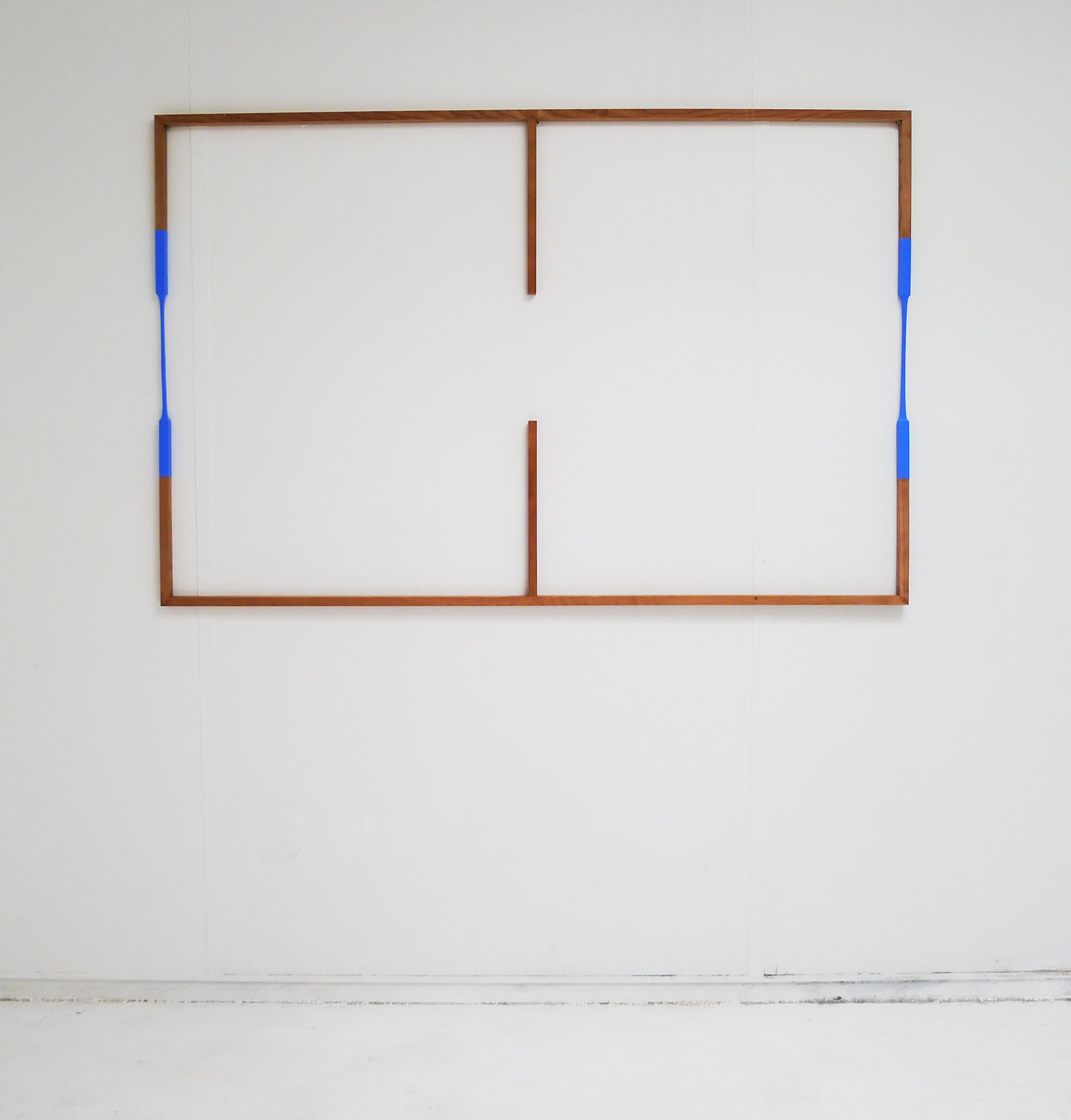
Frame
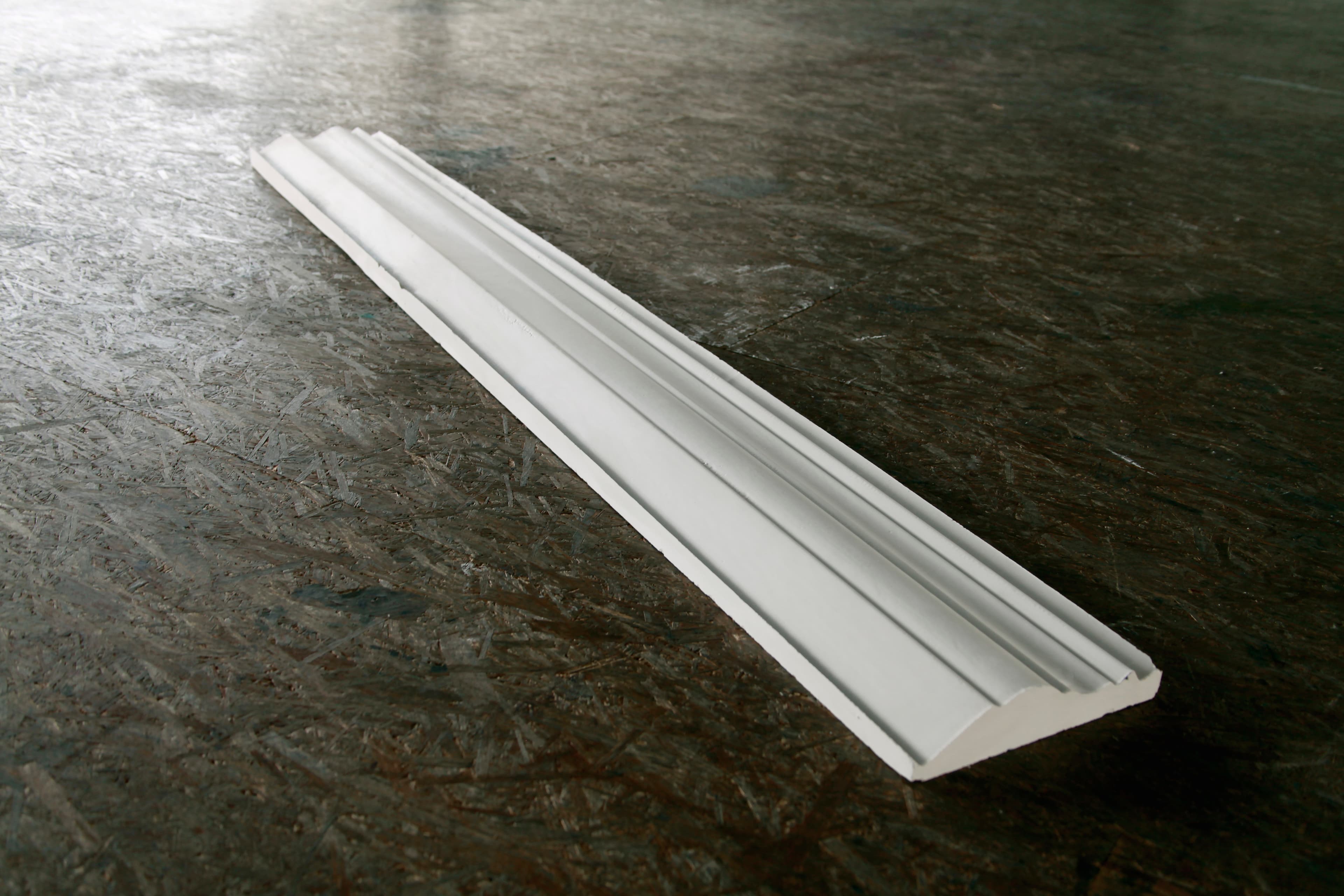
OBJECT 009.8.2
Archive
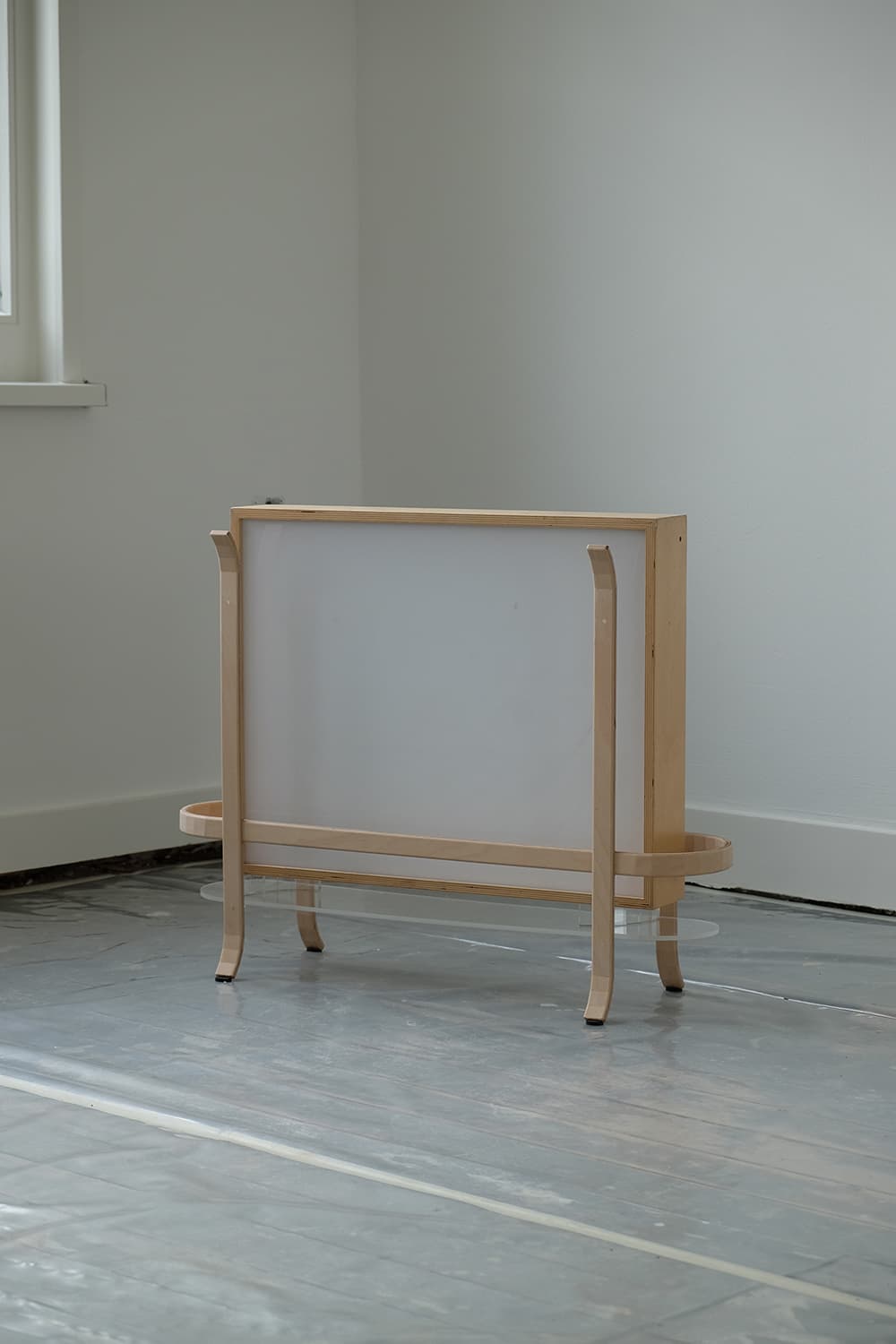
i like to remove the lightswitch instead of painting around it
Vincent Knopper
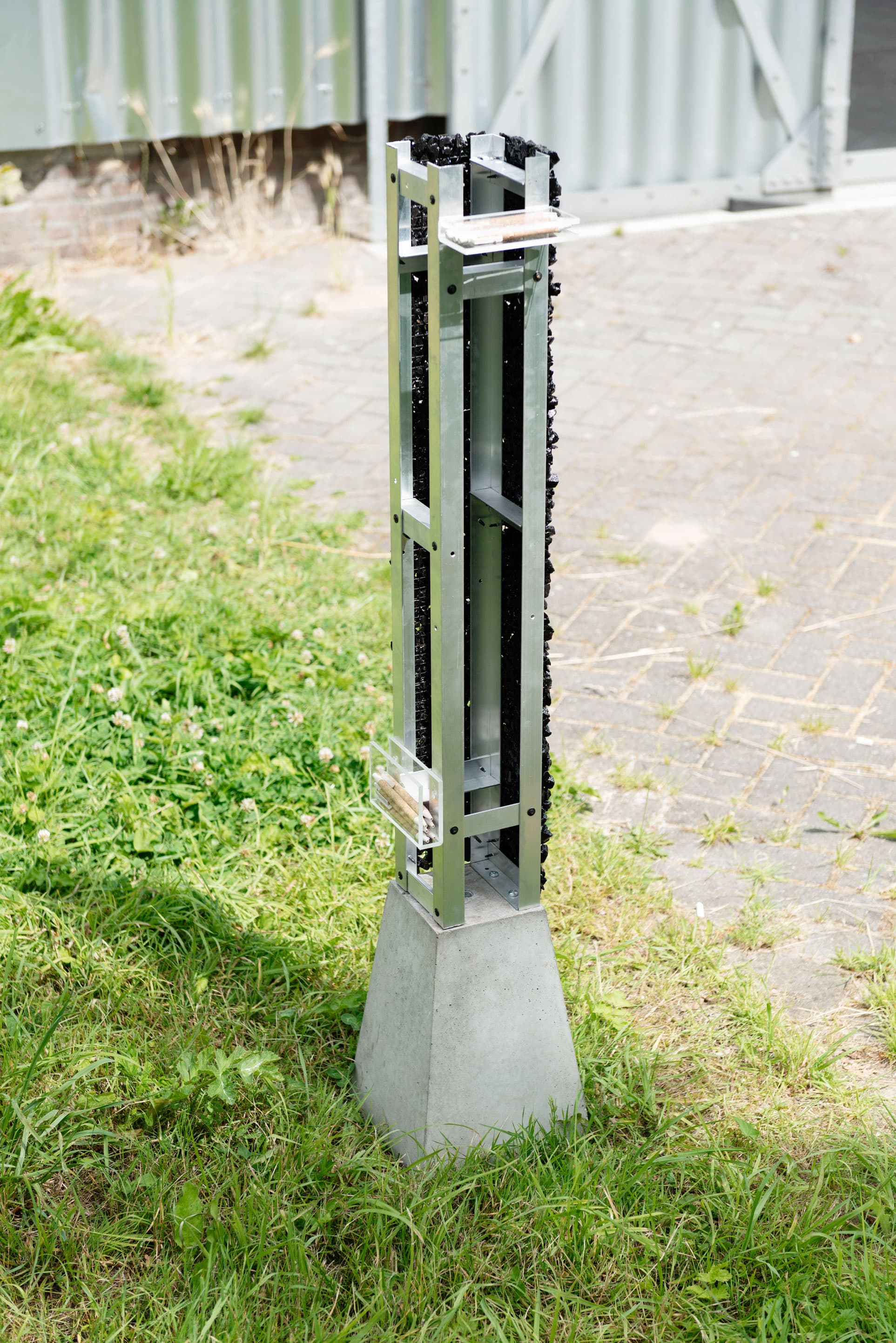
Sketch for pendispenser
Vincent Knopper
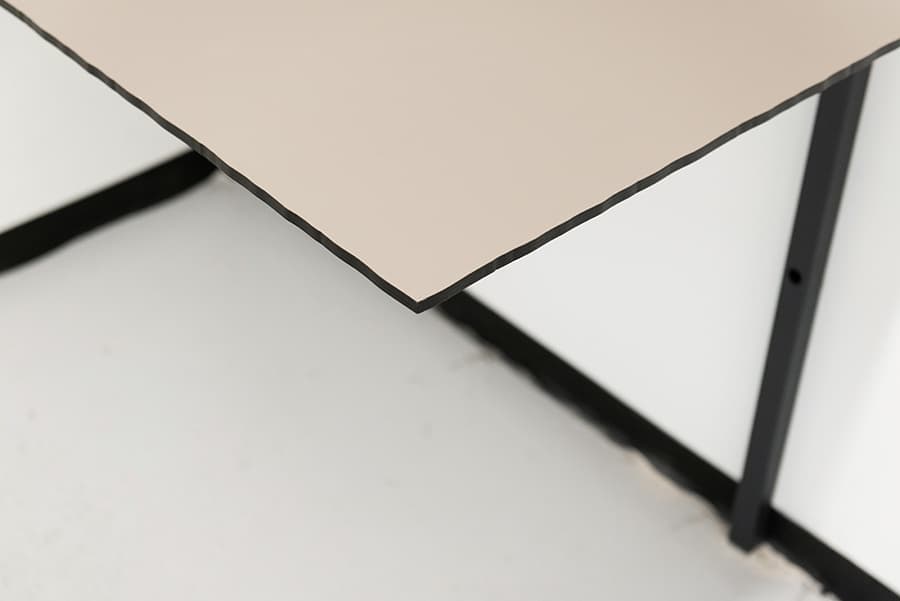
no title
Vincent Knopper
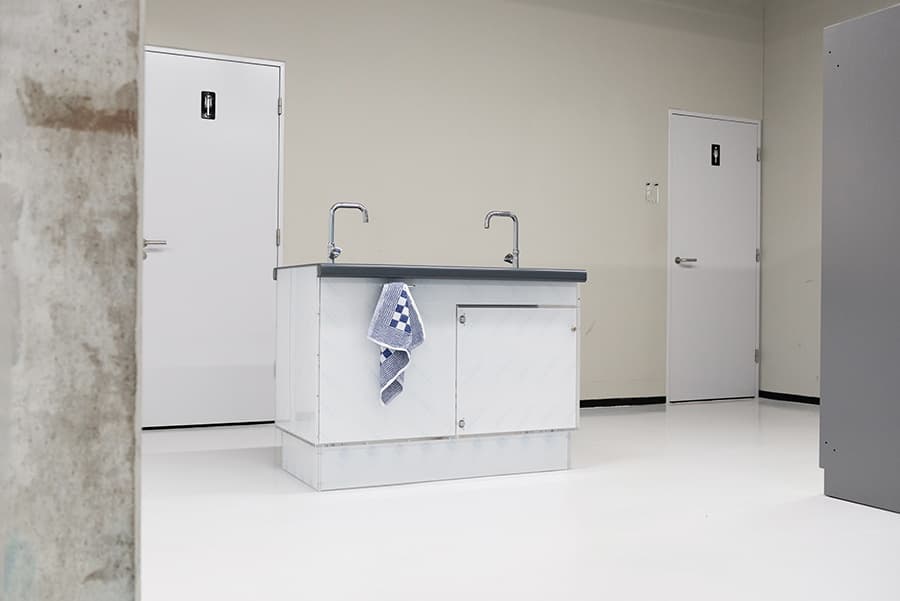
a place for water
Vincent Knopper
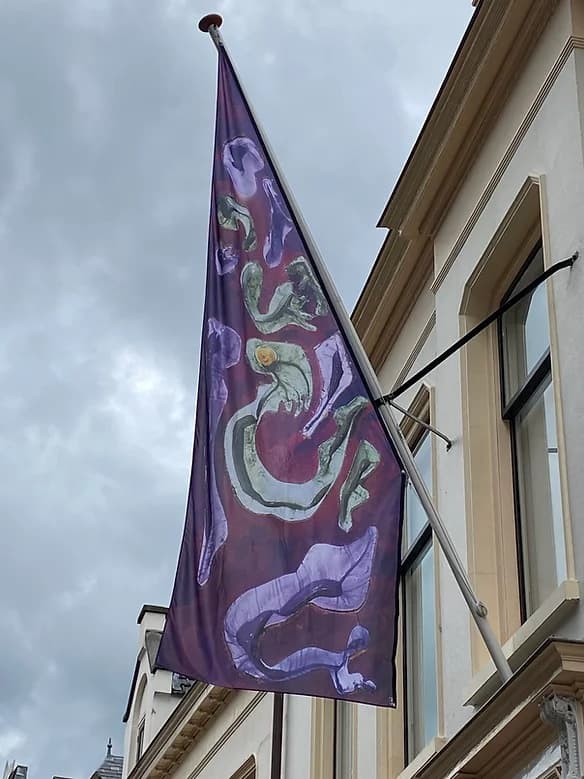
Nadine van Veldhuizen | Honger naar Huid
Nadine van Veldhuizen
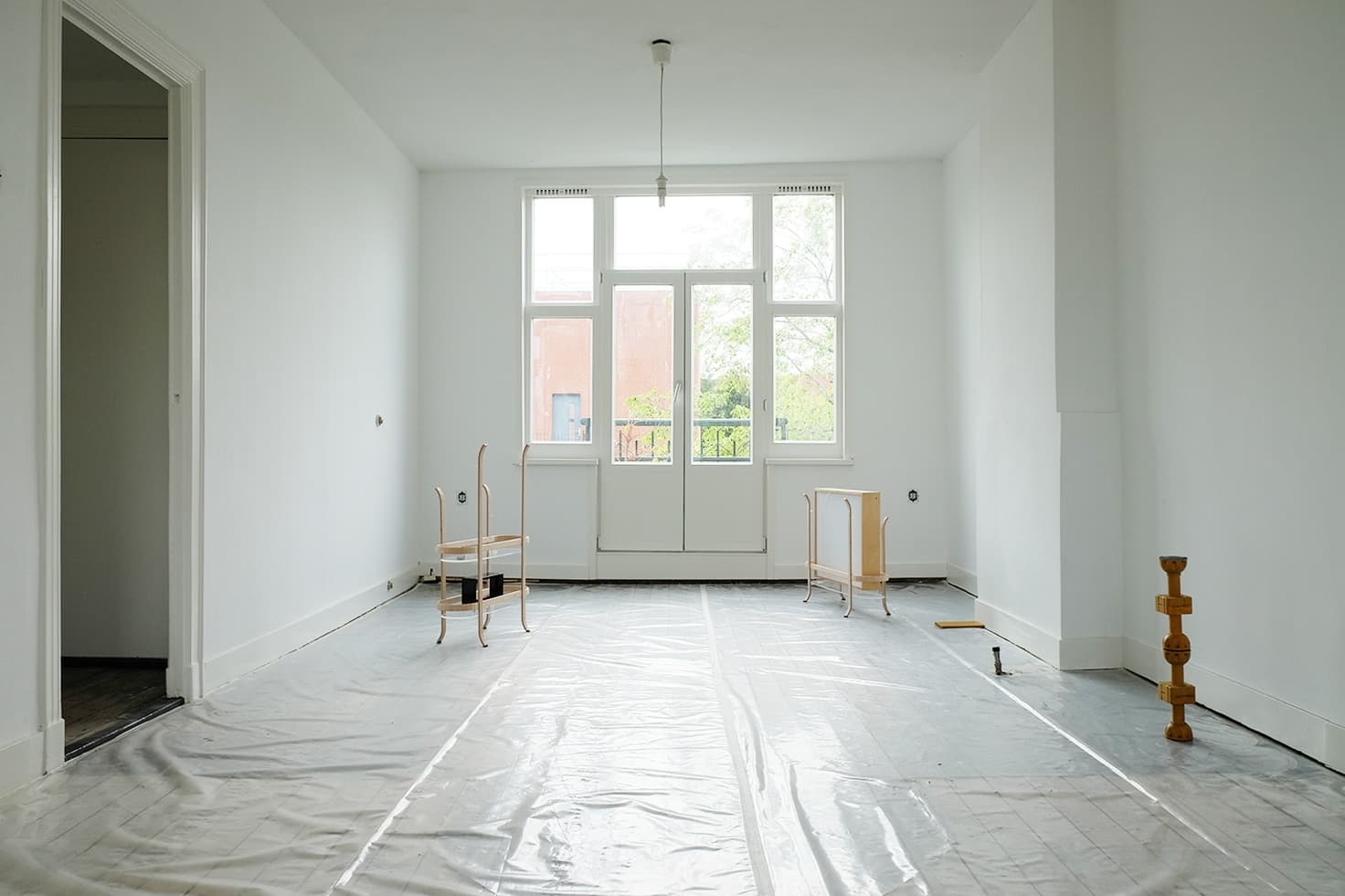
Exhibition | I like to remove the lightswitch instead of painting around it by Vincent Knopper

Material Utopias publication (2017)
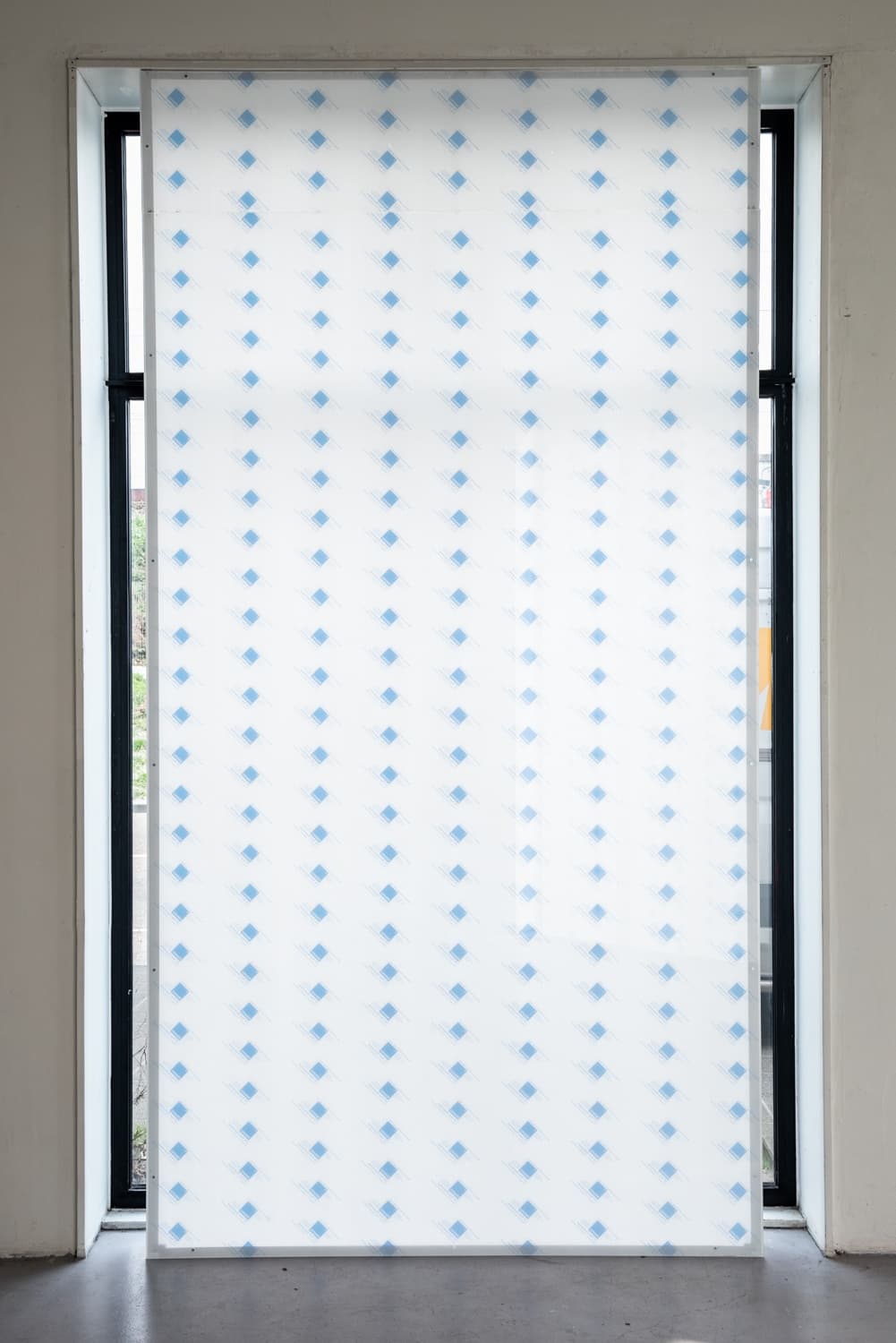
Vincent Knopper | artist in residence at Kunstfort Kase + exhibition Equivalent of Wealth
Louise Schouwenberg | A conversation that might have taken place
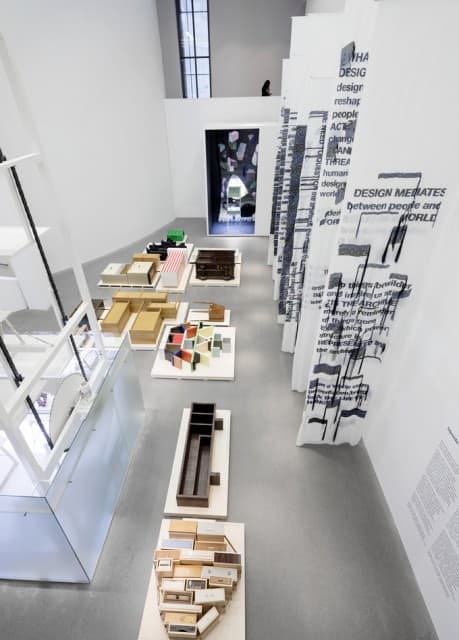
Louise Schouwenberg publication Beyond the New. On The Agency of Things