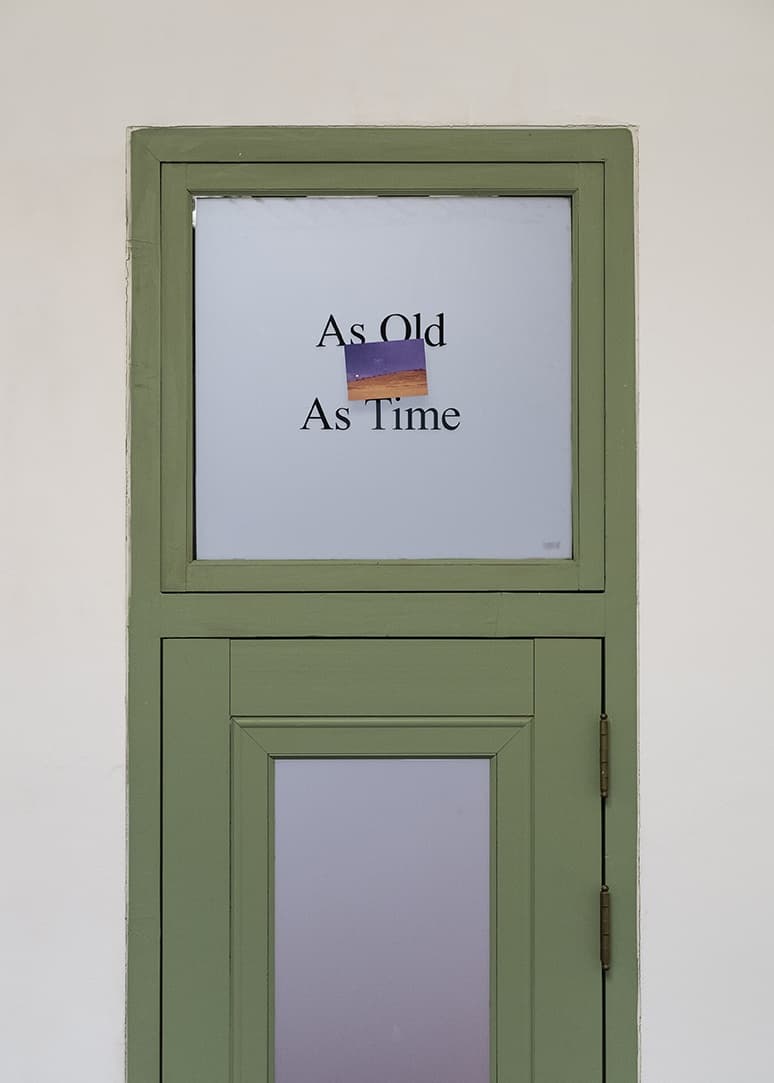
The Sun is Also a Star
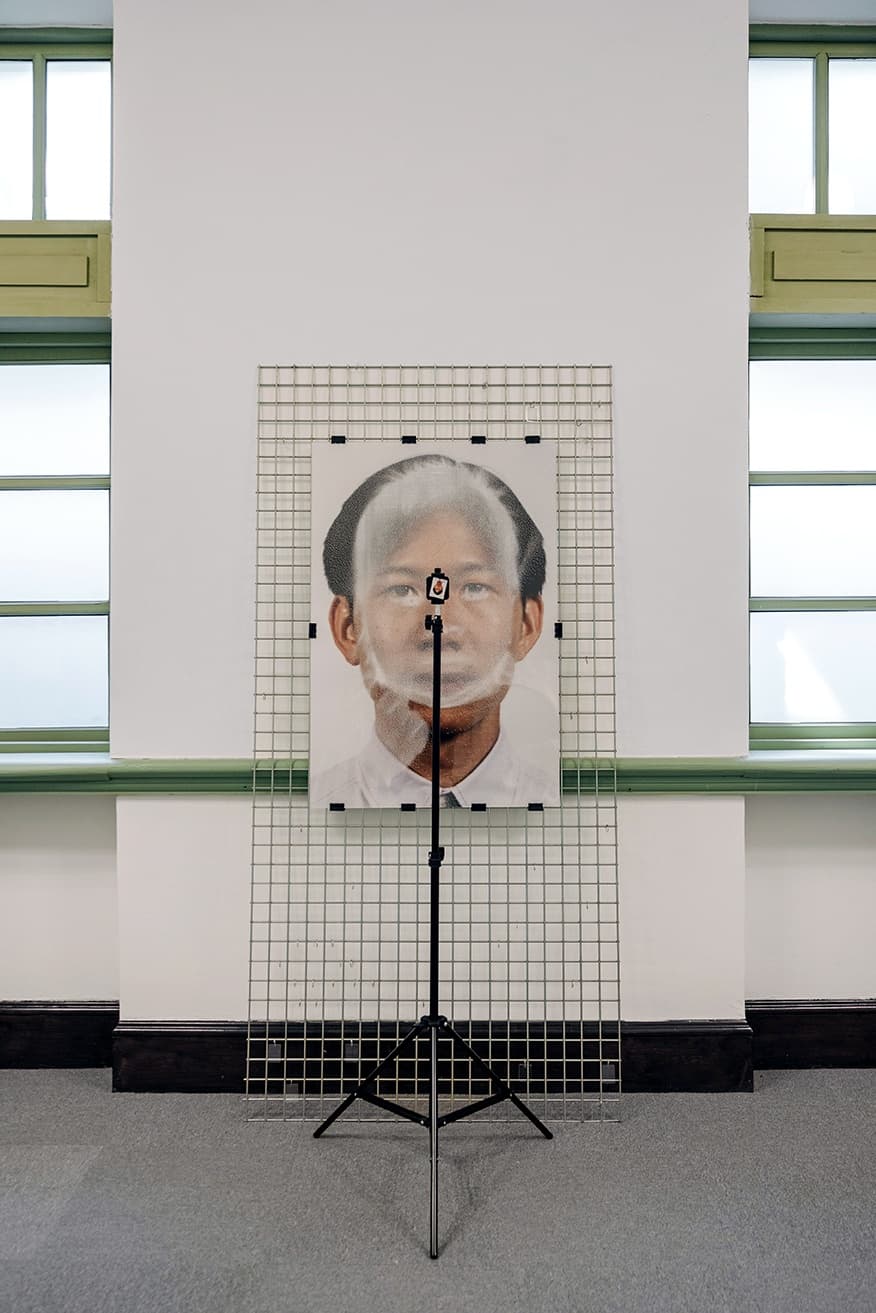
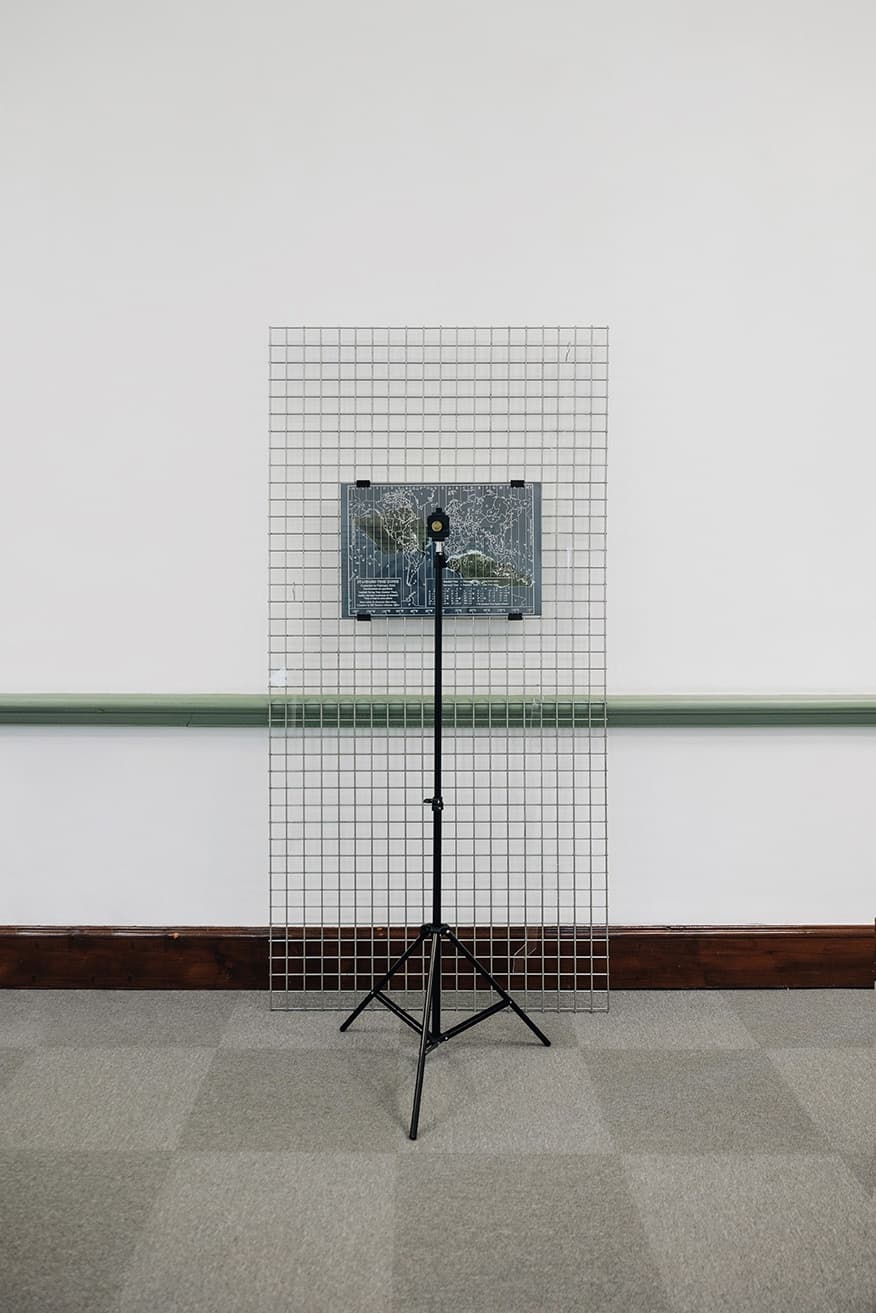
If a person could gain 2 years of age over a 10-hour flight time, then an island could leave one day out of the year; the sun rises and the sun sets, not even our timekeeping landscape is innocent. When is time ‘made’ and by whom? What temporal context do the makers embodied? The campaign to uniform civic time has been a planetary effort since the conversion from Julian to Gregorian calendar begun in 1582, leading up to the International Meridian Conference held in 1884. The idea of daylight saving was not introduced and implemented until after 1907. Constantly updating and readjusting to the uniformity of time, computers rely upon a quartz crystal oscillator and link up with international standardised time keeper through the internet. On the contrary, this notions of time being fixed, ubiquitous and uniformed has been intensely re-examined by scientists, quantum physicians, philosophers and artists alike. Through aligning the concept of East Asian age reckoning, the time zone shift on the islands of Samoa in 2011 and the invention of the solar observatory in Peru’s Chanquillo, The Sun is Also a Star questions the stretchability and compressibility of what we designate as “clock time,” as a human invention and the ultimate regulator of life and social transactions across different societies.