Temporary department
The Commoners' Society
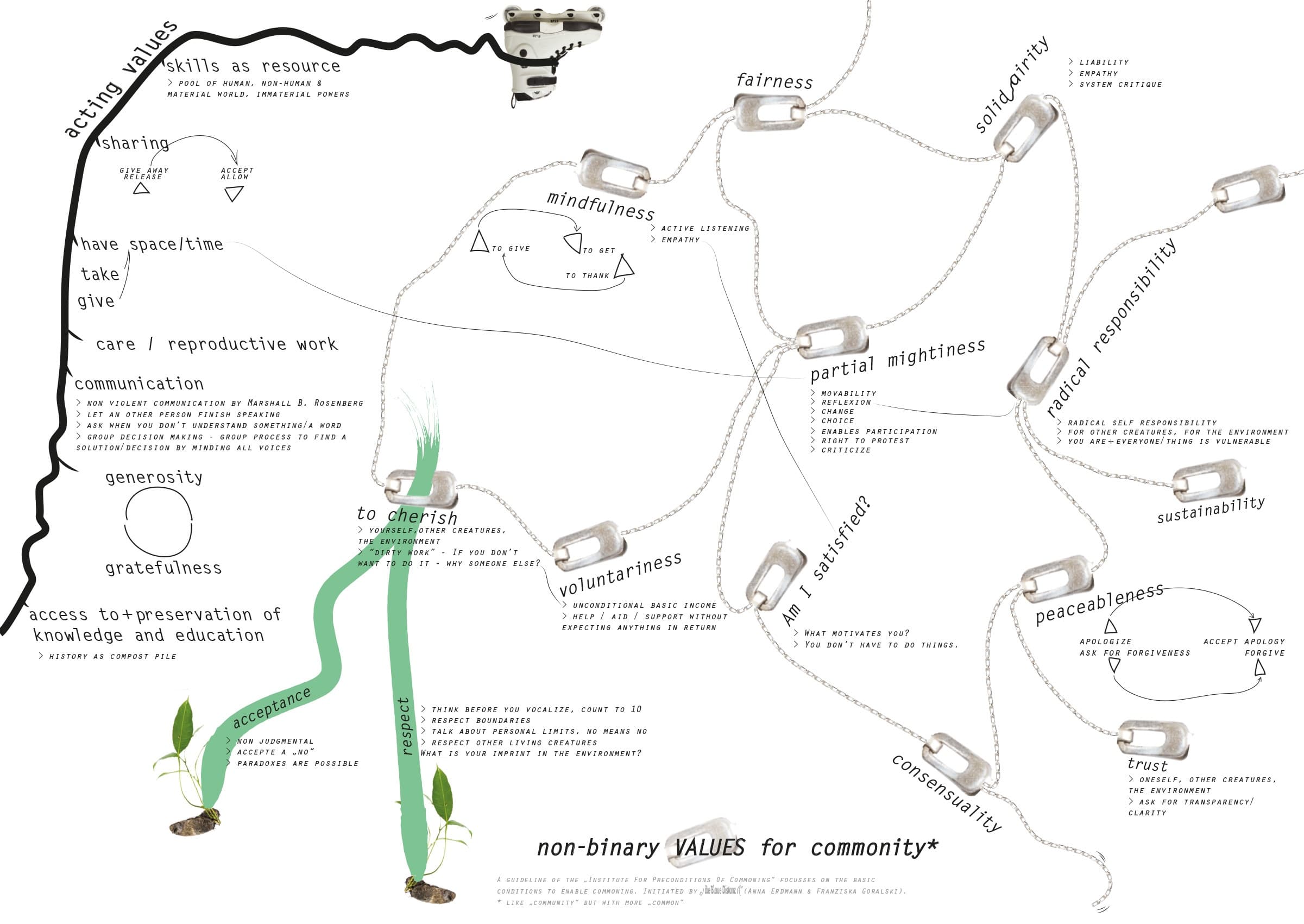
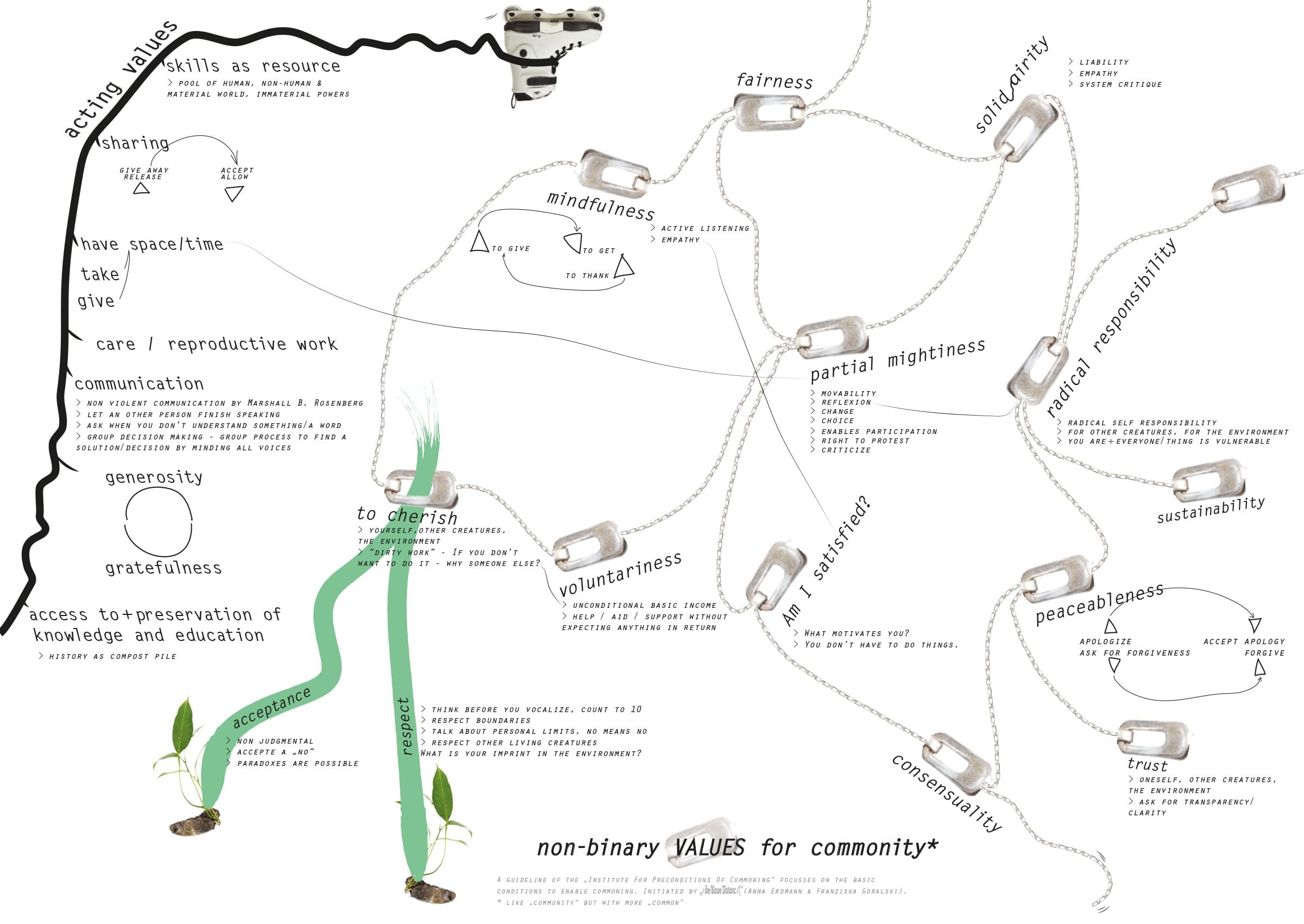
Using visual, digital, and performative tools the Temporary Programme, The Commoners’ Society, proposed a new kind of metropolis that is focused on social interaction and equal opportunities over financial growth and profit.
The late writer, teacher and cultural theorist Mark Fisher (aka K-Punk)1 wrote extensively on the relation between neo-liberal politics and the rising numbers of depressions and suicides we see around us. He showed this is because we are caught within ‘capitalist realism’ and are no longer able to imagine alternative economic and social systems. According to the philosopher Byung Chun Han2, this is specifically so because we became our own exploiters when the exploitation of others disappeared (or was removed) from our real life experience. We recognise that a way out is to actively see ‘the other’ again, to sense real presence so we can interrelate once more.With these perspectives on our current society in mind, the Temporary Programme, The Commoners’ Society, looked for new ways of living, making, owning, sharing, managing and maintaining; or generally for models for what we call ‘a new commoning’. The proposals we developed were manifold, conceptual and hands-on, and were always tested ‘on the ground’.
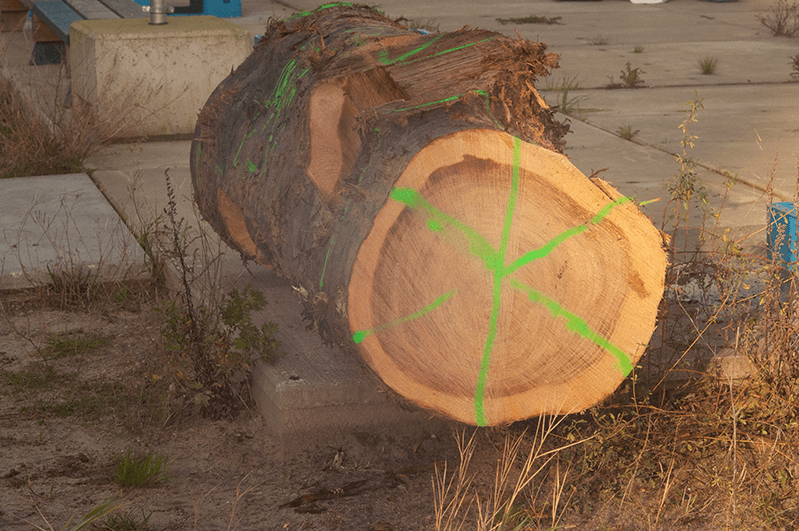
Therefore the programme was partially located at an Amsterdam urban development area in Zeeburg where we had our actual work and test terrain. The site-specific campus allowed the commoners, who are the people that will live and work there, but which also includes the heads, tutors and students of the programme, who are artists, designers, researchers, educators, theorists and communicators, to propose models for alternative ways of living, leading to new urban landscapes.
The programme started by building a temporary workspace for ourselves that is flexible and adjustable and makes crucial interaction with the surrounding living and working population possible. The programme took as its departure point city-making structures such as General Management, Economy, City planning and Infrastructure, Arts, Culture and Sports, Housing, Employment, Health, Environment and Climate, Mobility, Public Space, Co-habitation and relationships. These notions were fundamentally restructured and renamed from the moment the participants were involved.
The Temporary Programme was contextualised by a theoretical reflection upon earlier utopian models and strategies and had a wider public programme. It was part of a larger frame where the University of Amsterdam, architectural platforms, the municipality, the project-developer, the building companies, etc. were involved. They all had specific roles and interests and we sought as much collaboration with them as possible to leverage the project and its effects. Partners include: University Amsterdam BPD (project developer), Gerrit Rietveld Academy, Archis/Volume, Municipality of Amsterdam, Studio Framis NL.
Within this context, participants had the possibility to pursue a self-initiated research project with great autonomy, working individually or collectively. Research projects were presented in a series of regular meetings in the area or on other locations in the city. We used existing or built new spaces for collective discussion and exchange. Within the framework of the programme participants were also provided with support and resources for the development of collaborative projects related to their research, such as publications, exhibitions, screenings workshops, actions, events.
The Temporary Programme, The Commoners’ Society, ran from 2018–2020 and welcomed applications from amongst others artists, writers, editors, theorists, curators, philosophers, sociologists, architects, activists, designers, dancers, lawyers.
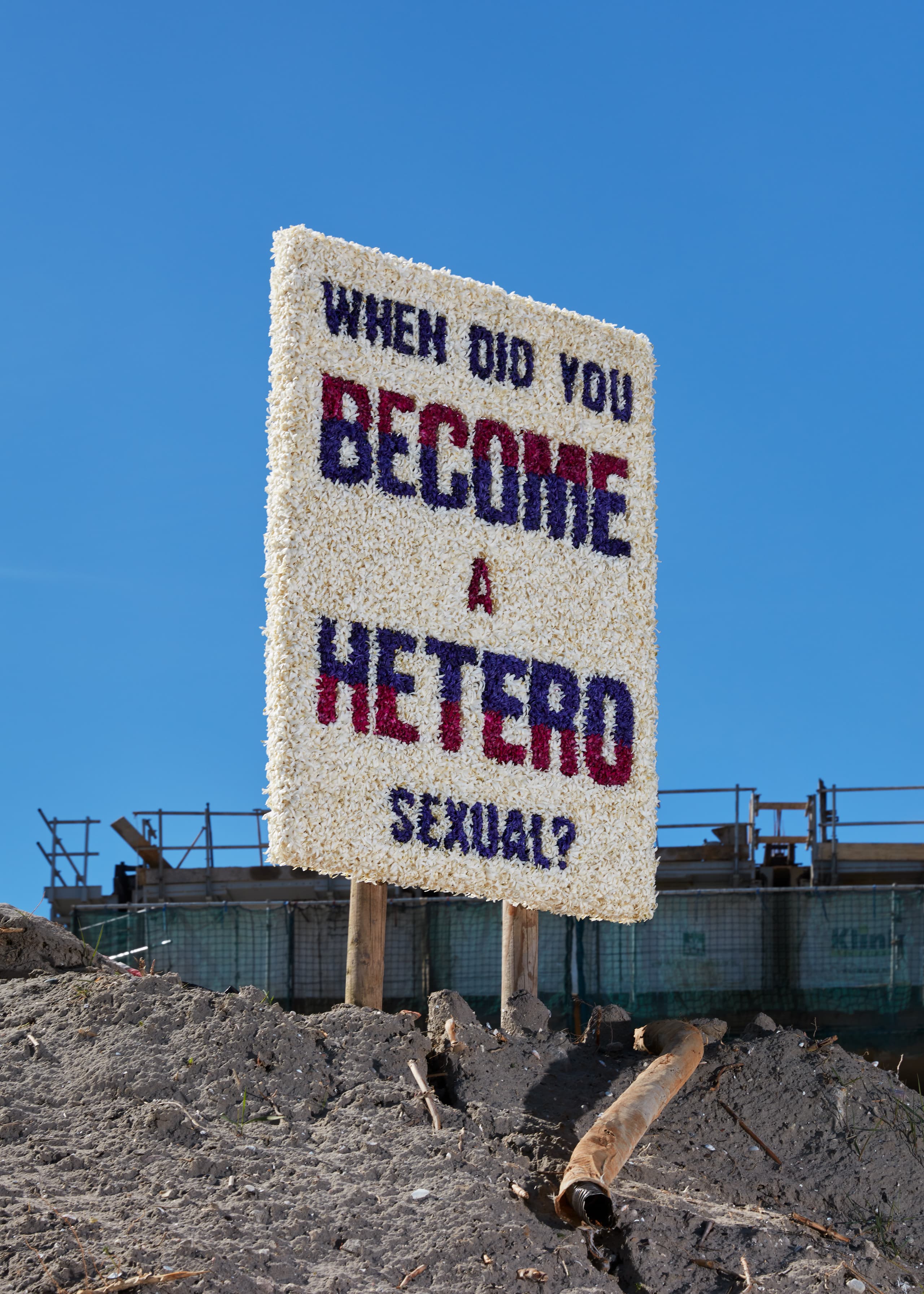


Archive
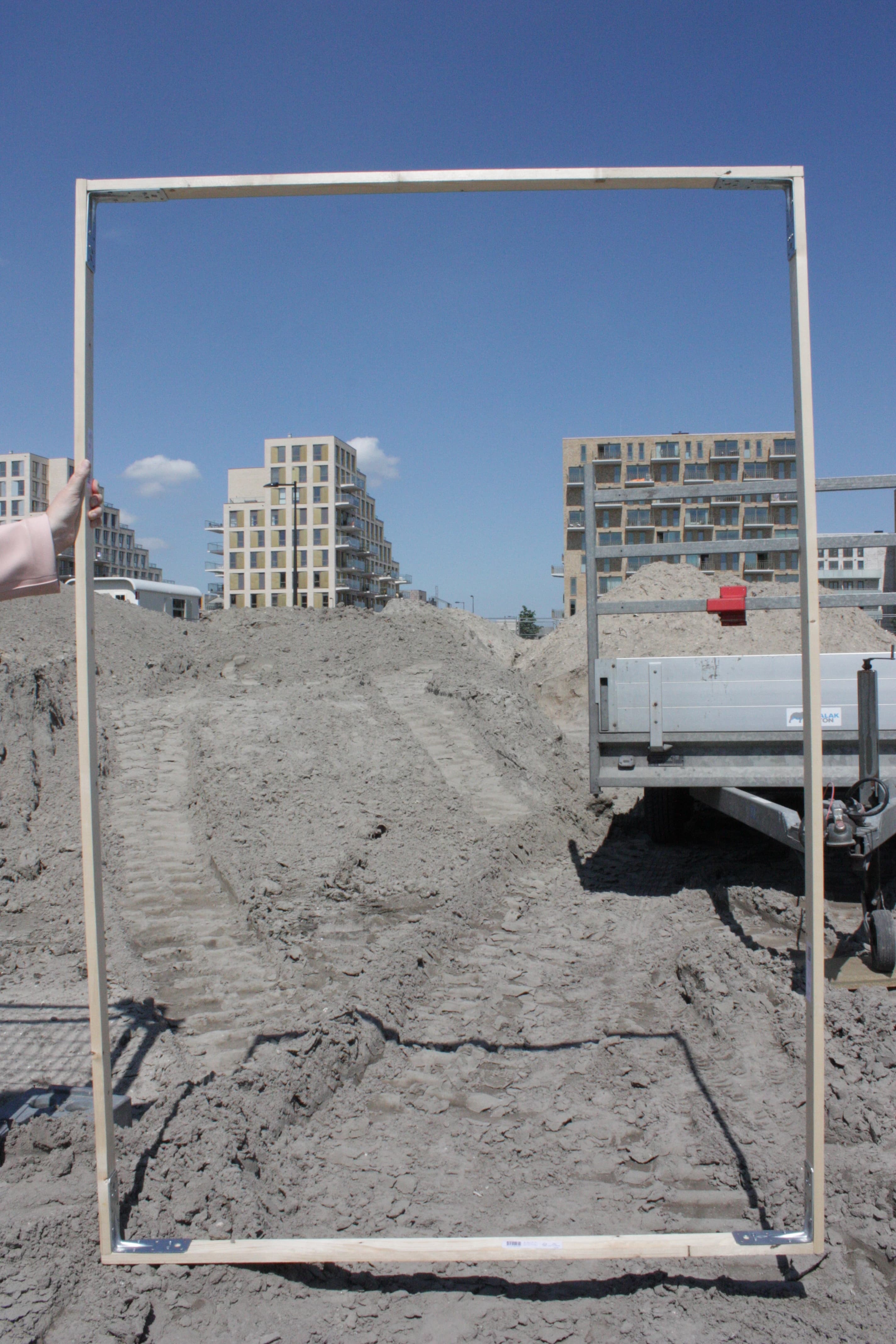
UNDER CONSTRUCTION
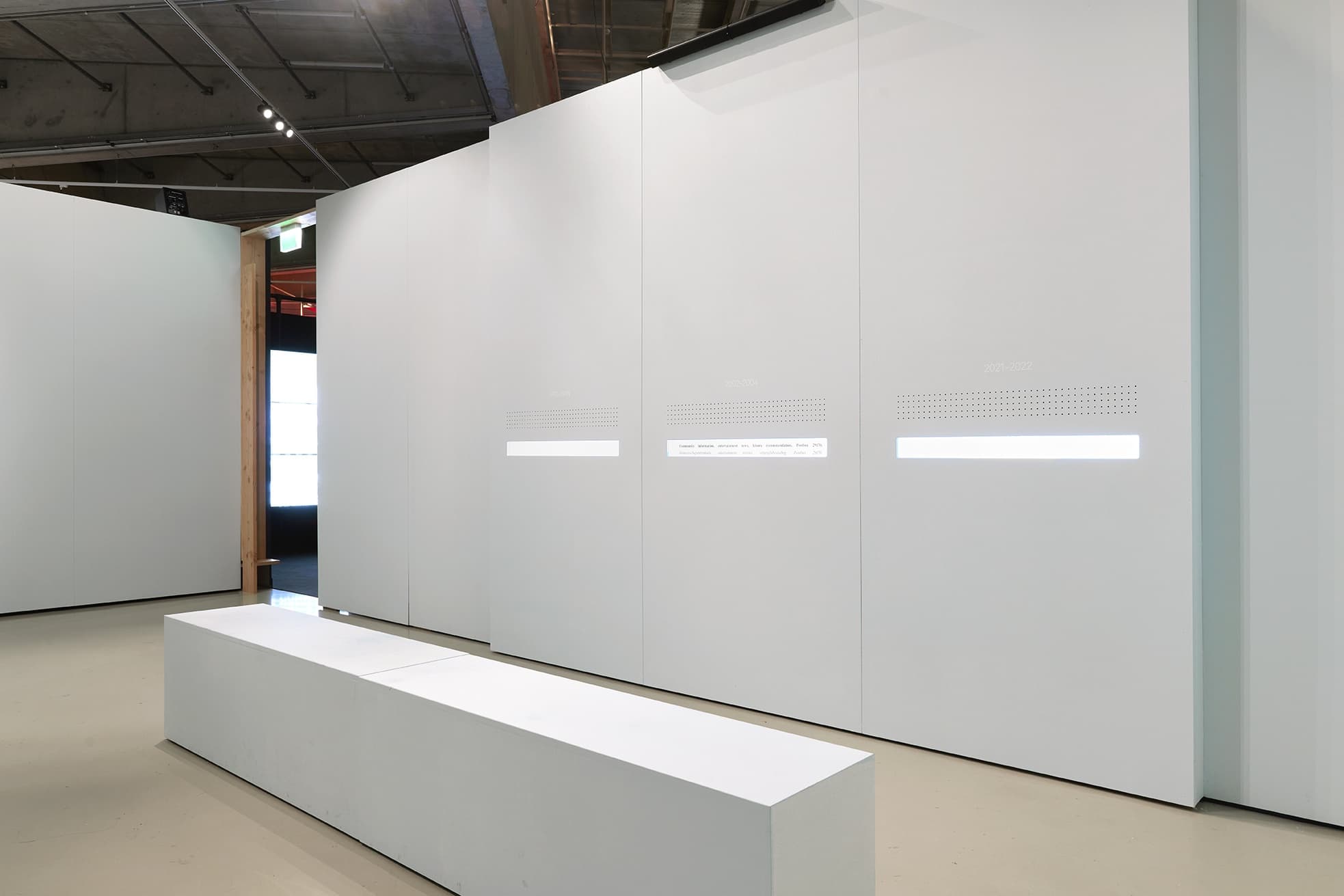
Voices and Breaths
Simpson Tse
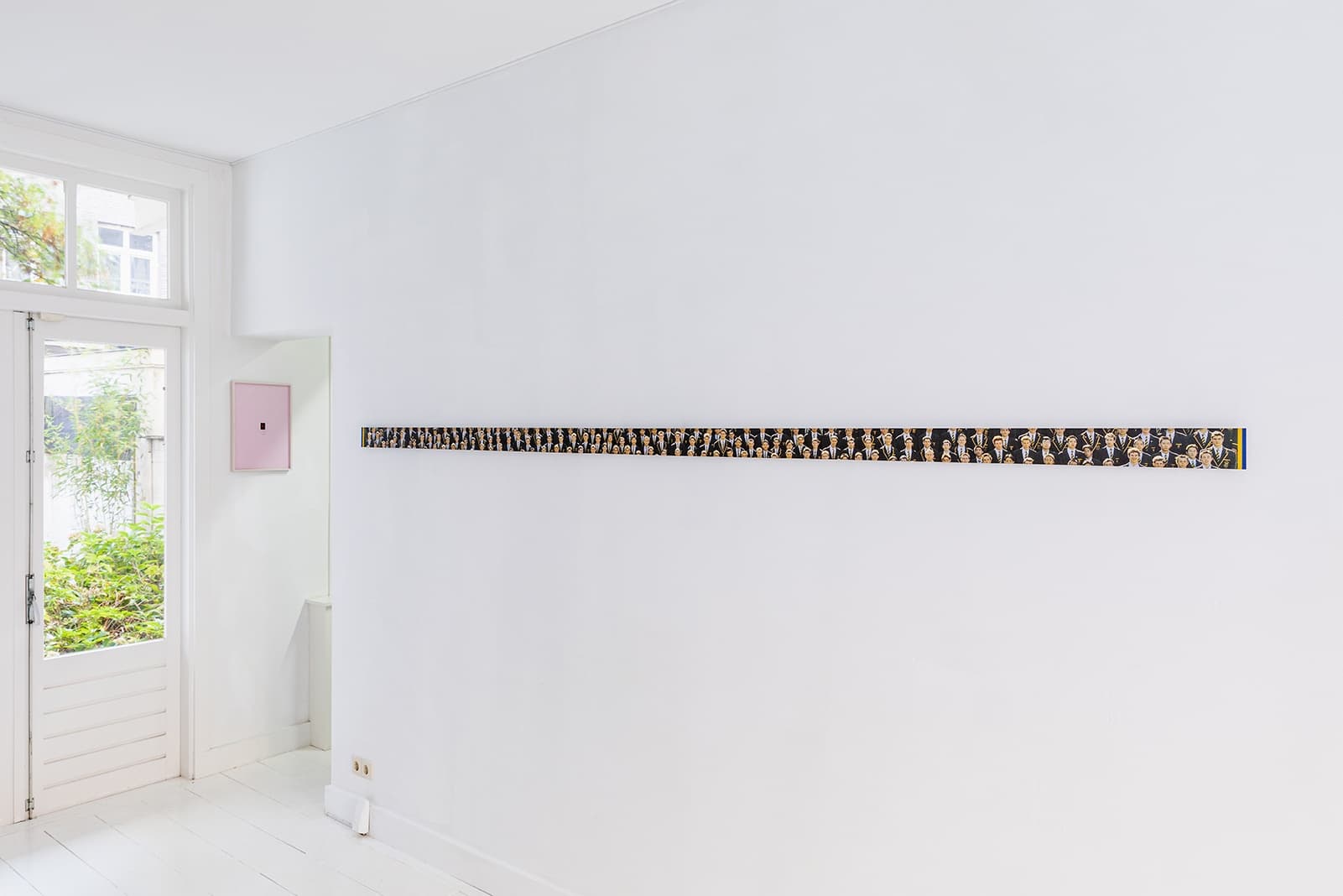
Topple
Simpson Tse
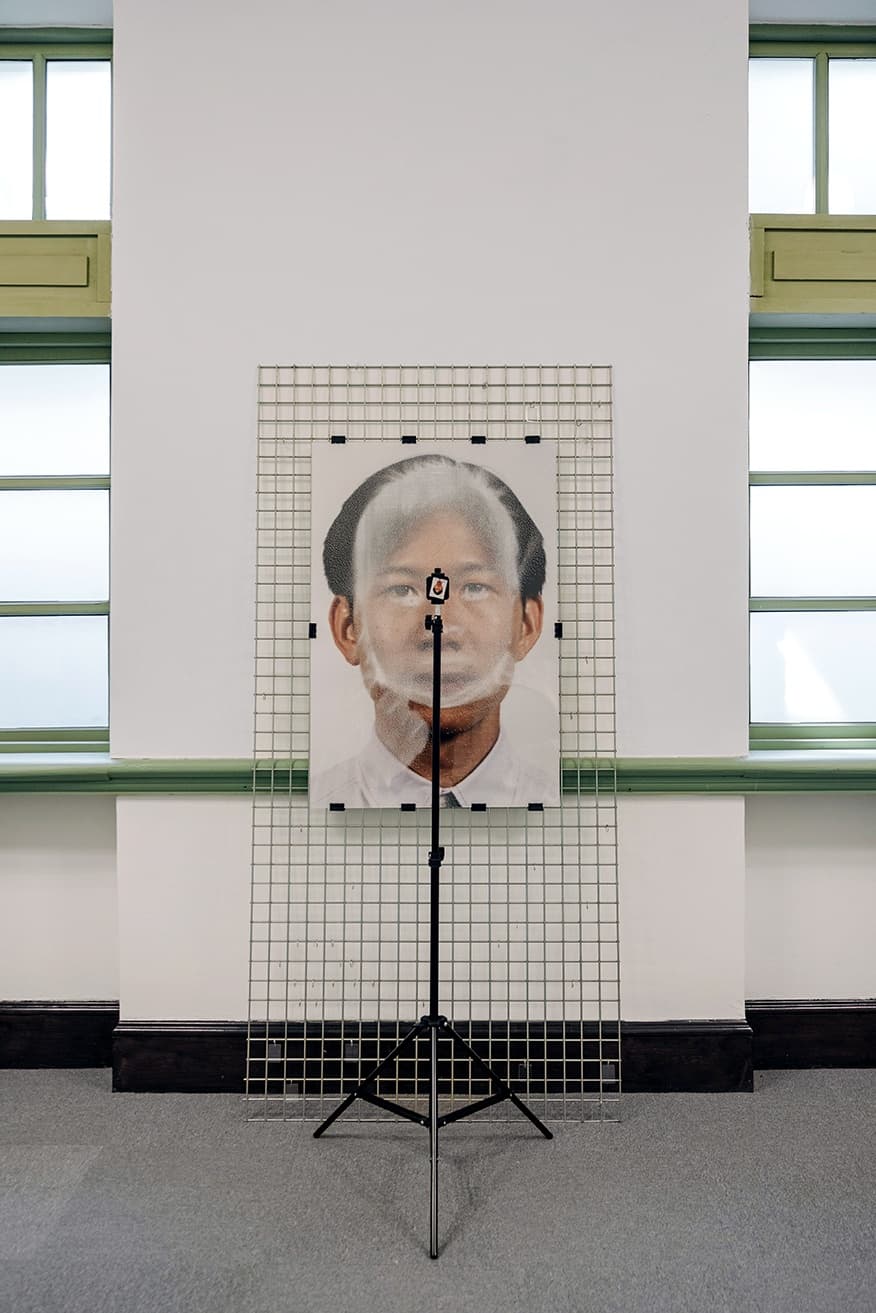
The Sun is Also a Star
Simpson Tse

Living in a Blur
Simpson Tse

X-Ray Records
Cindy Wegner
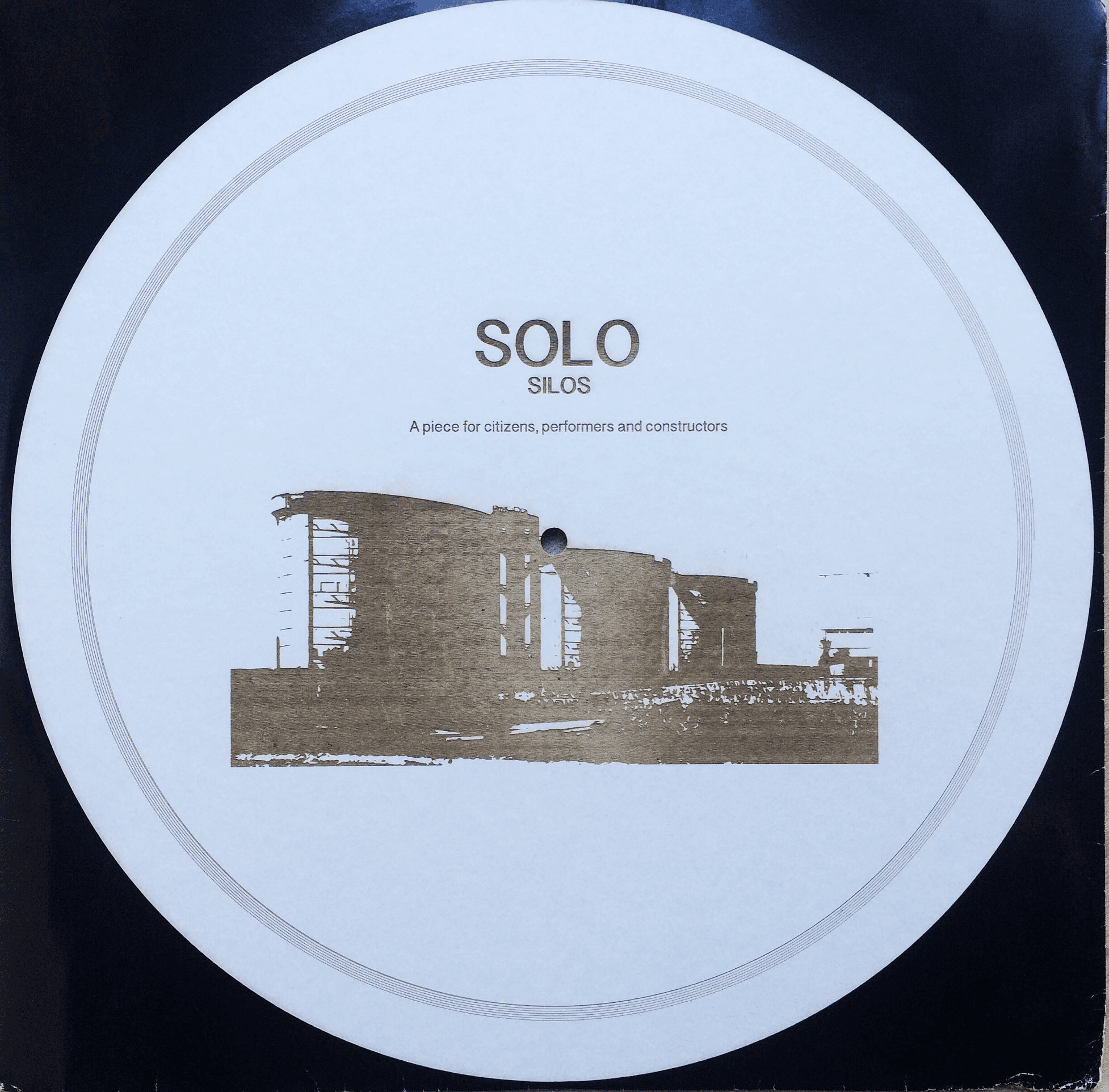
SOLO SILOS
Cindy Wegner
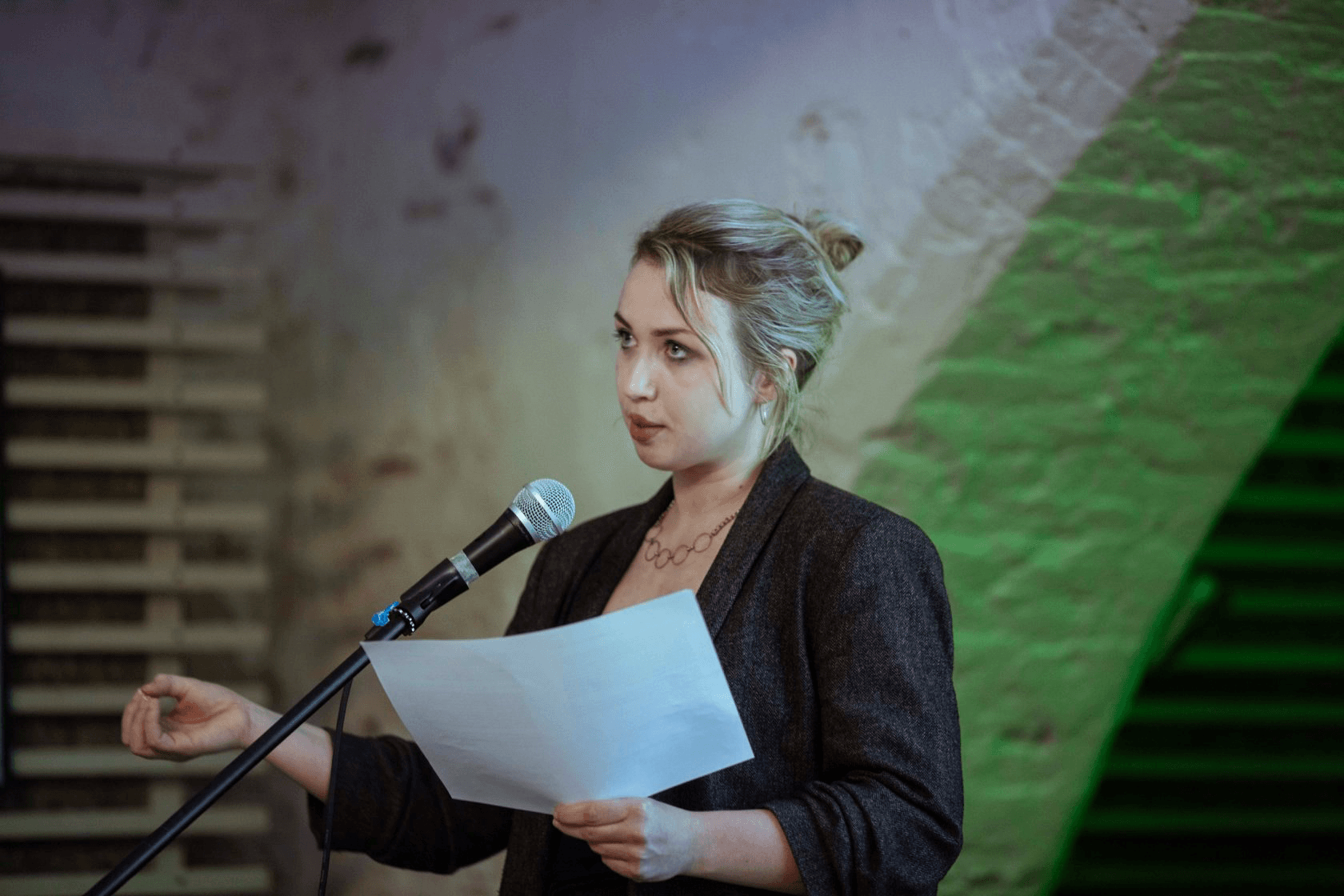
Interlude, Our House is on Fire
Cindy Wegner
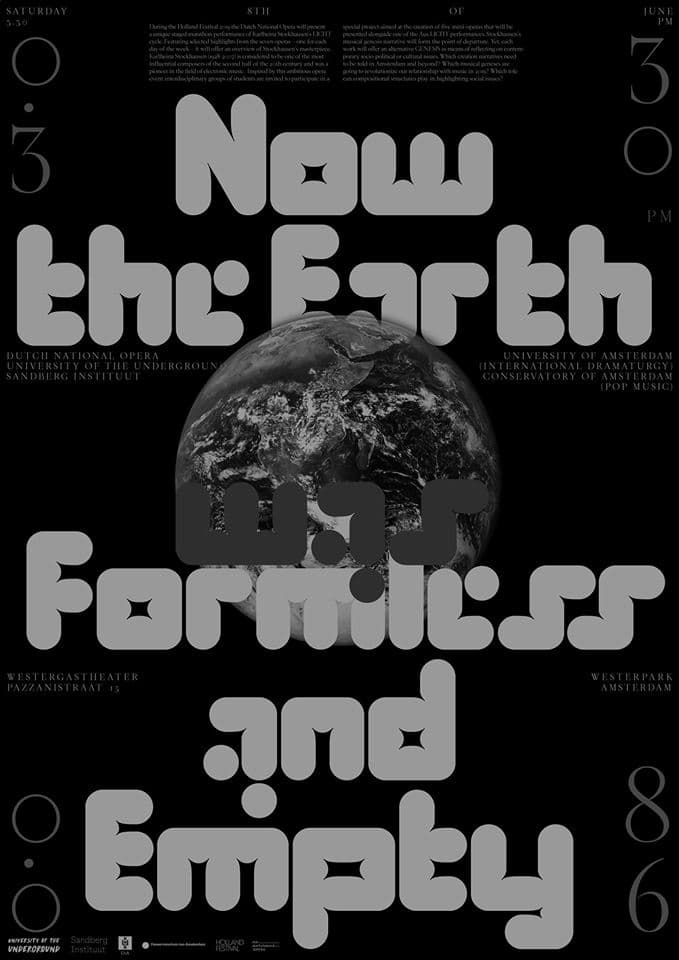
I have to confess, it is very hard to be fearless
Cindy Wegner
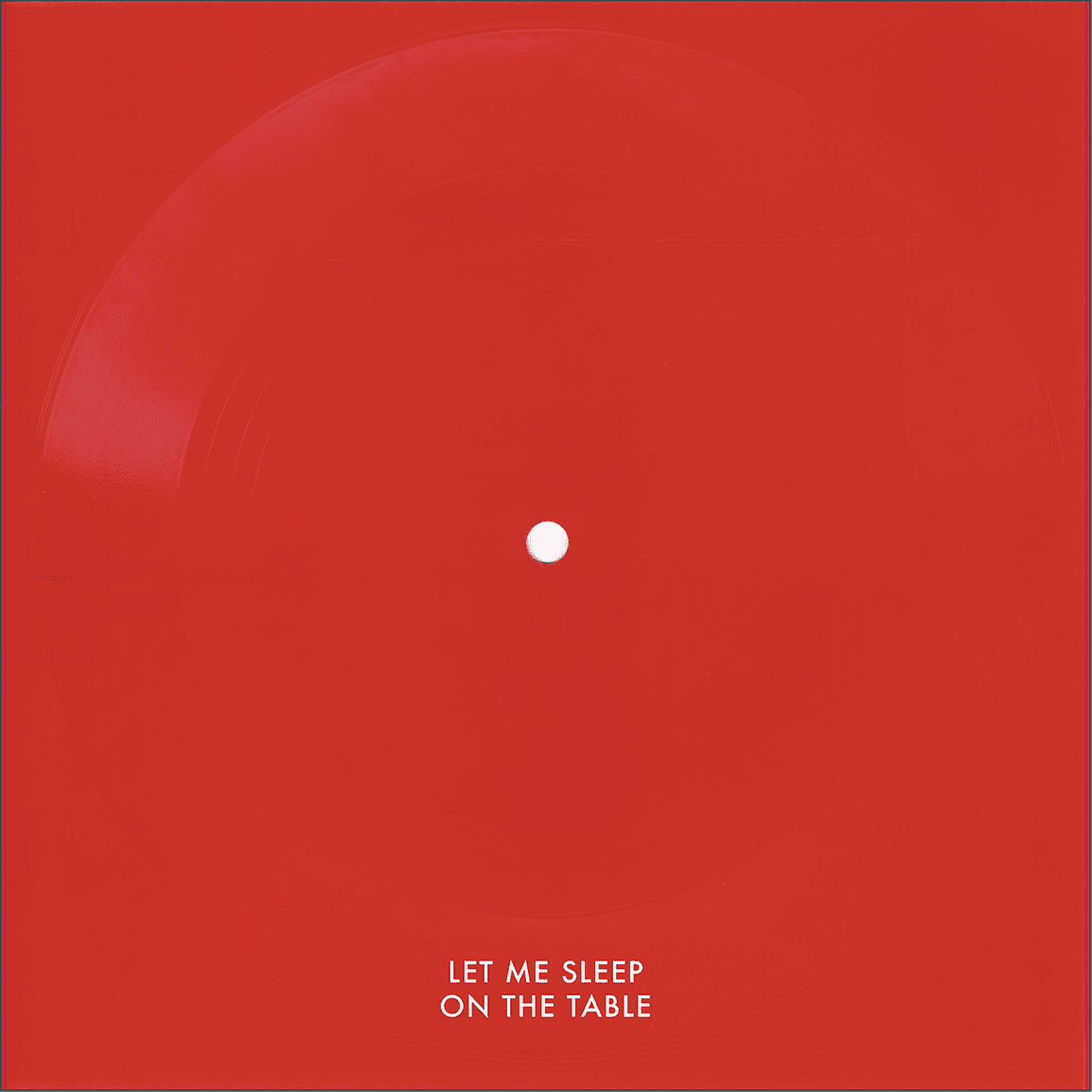
Let Me Sleep On The Table
Cindy Wegner

refuse/refuse
Kamila Kantek
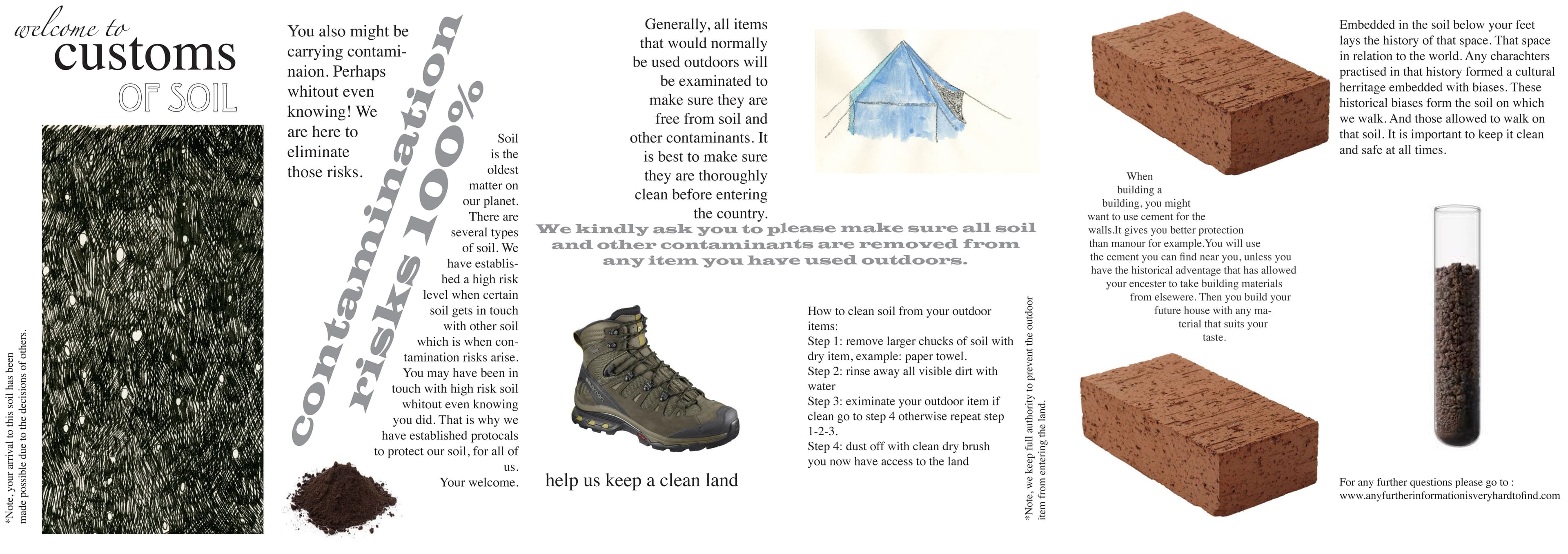
Soil Customs
Amber Oskam
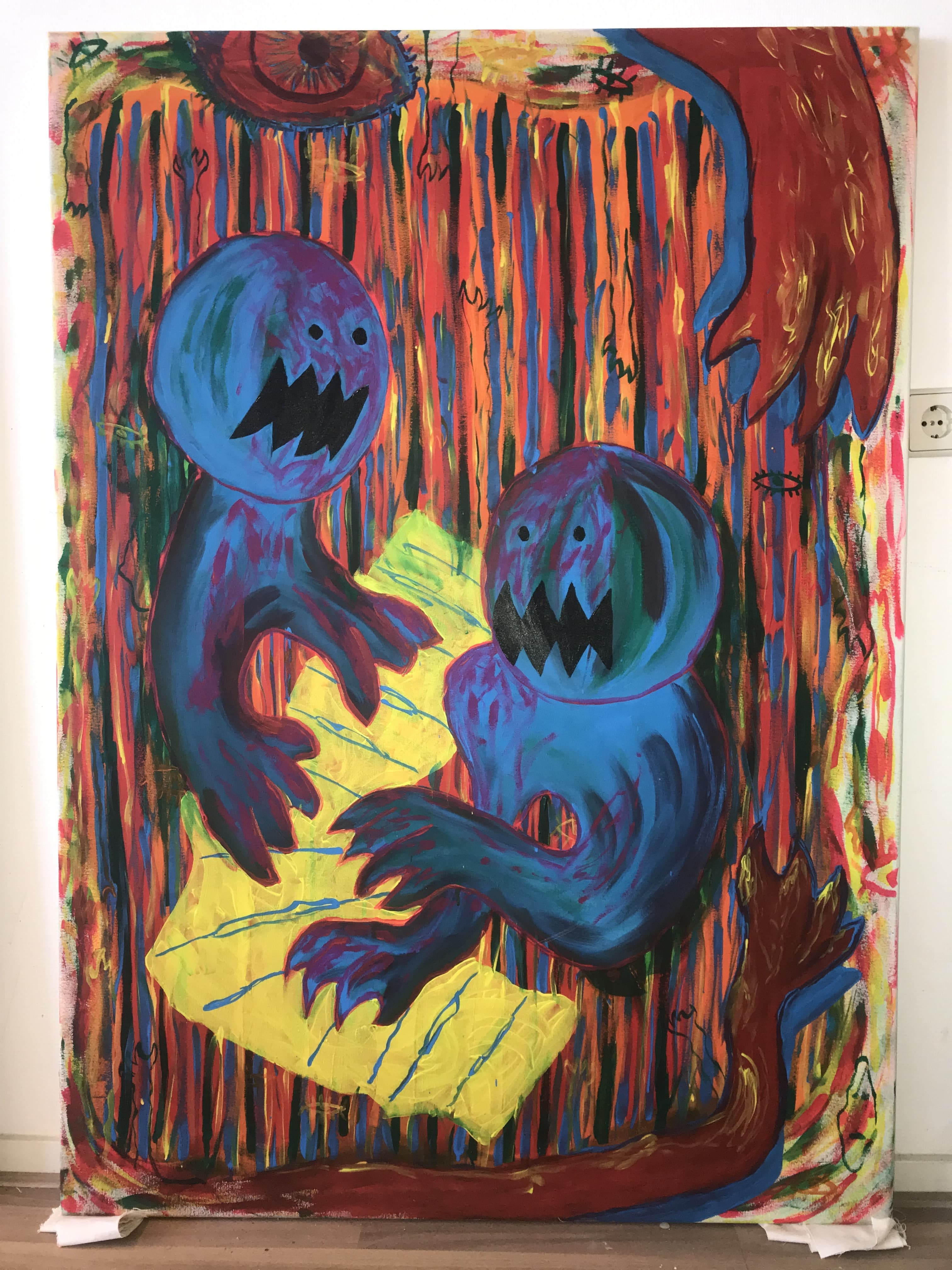
Mama Isabella
Kasper van Moll
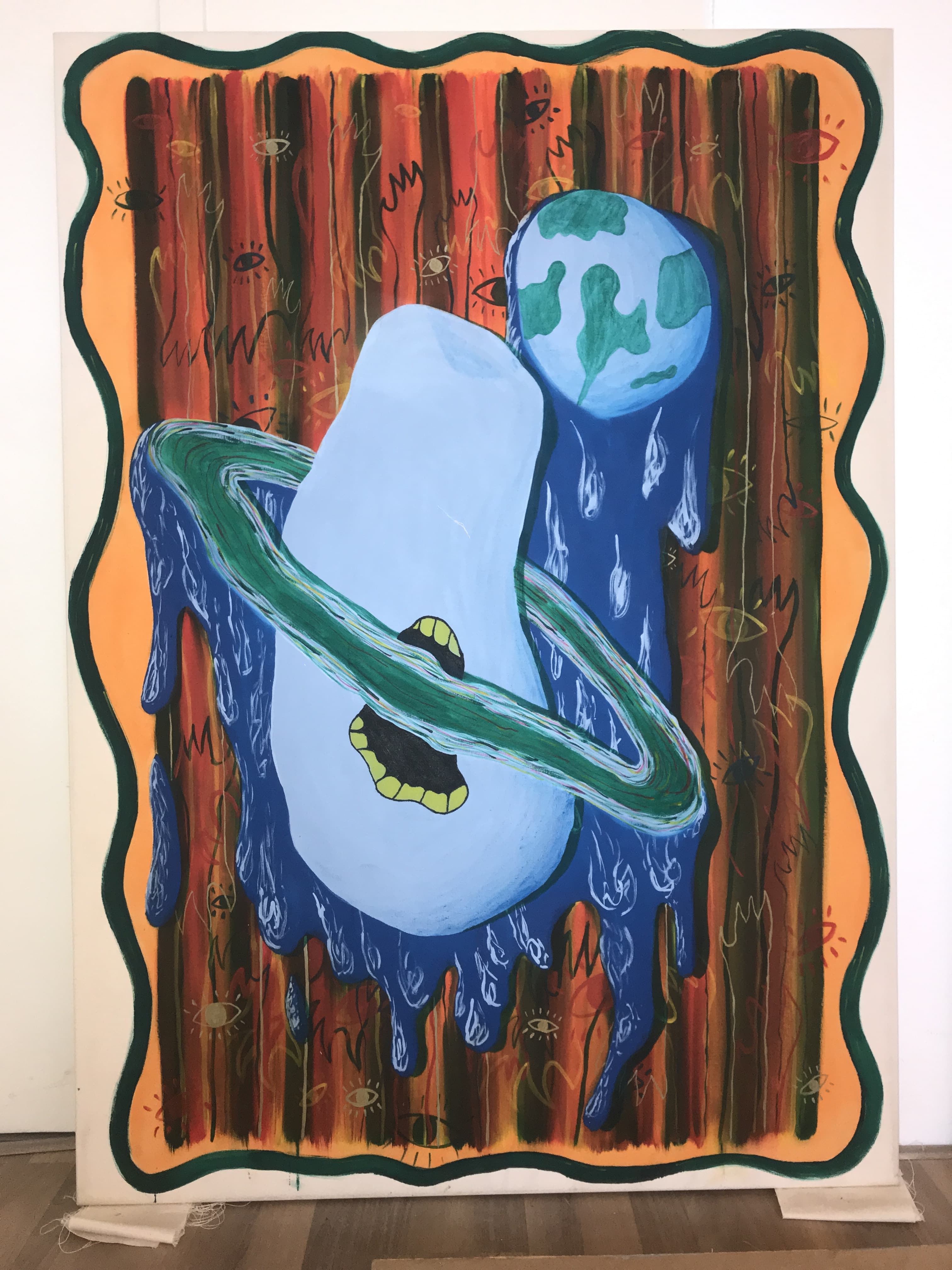
The Wonderful World
Kasper van Moll
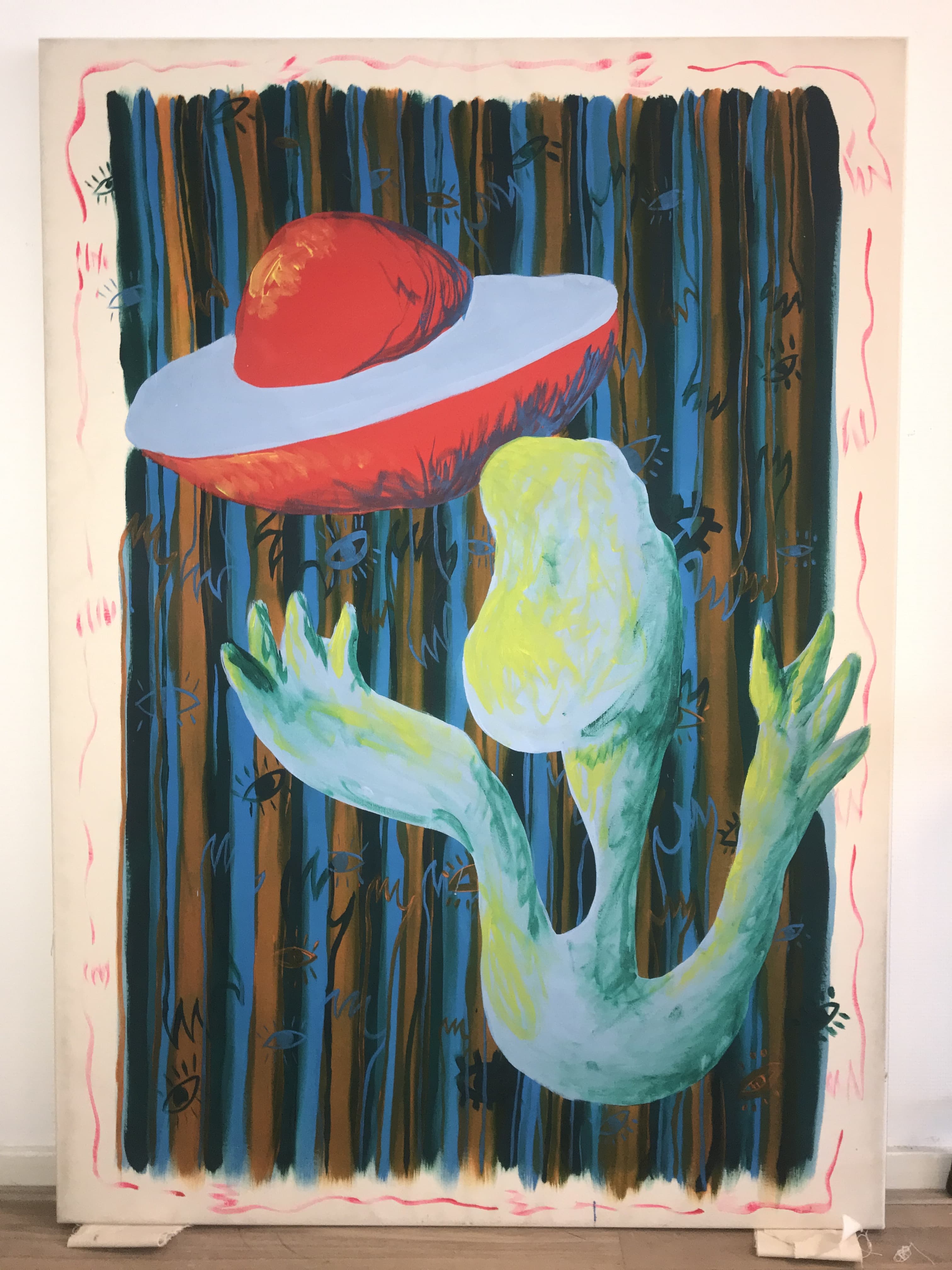
UFO Lander
Kasper van Moll
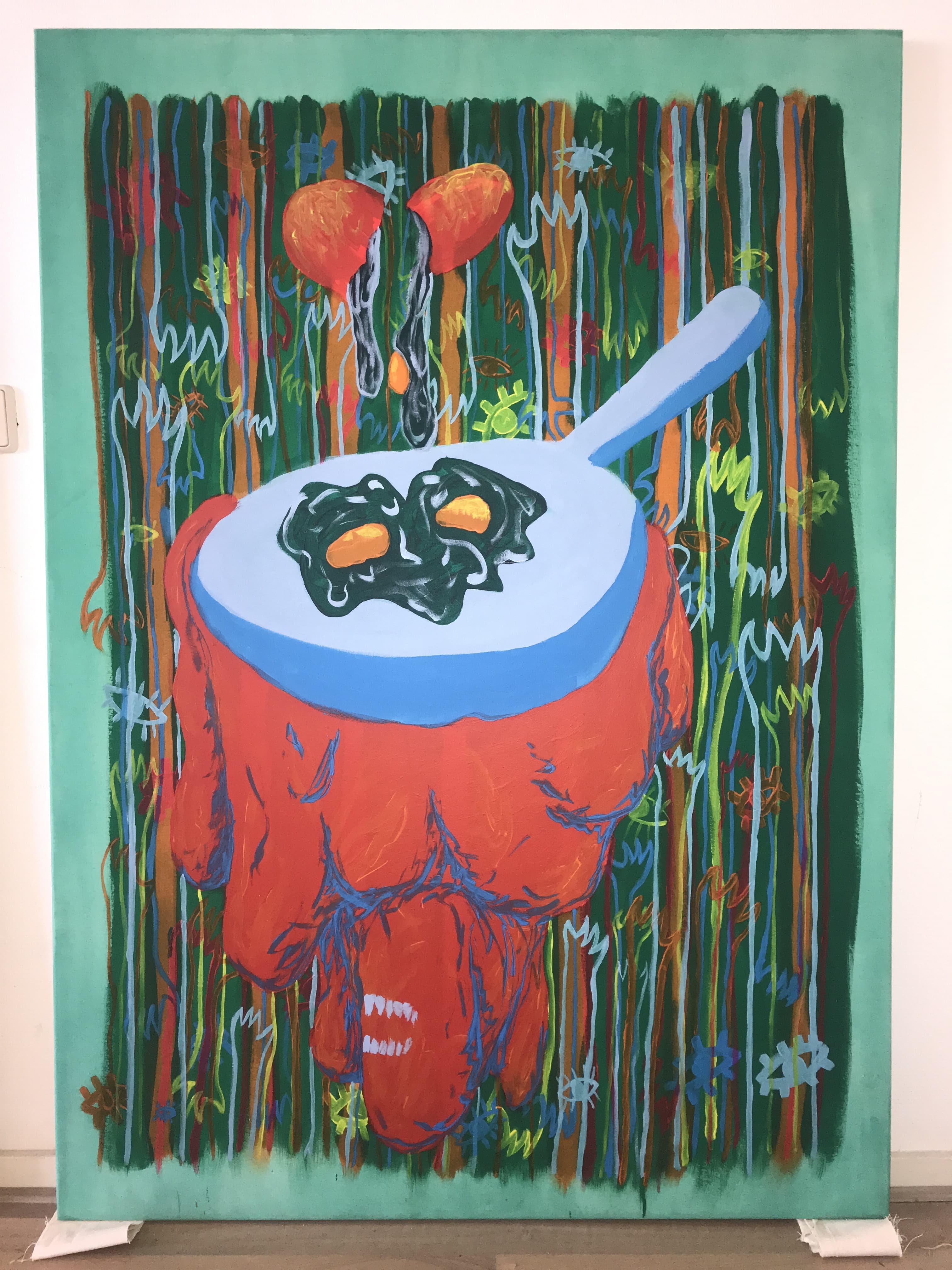
Eggs In A Pan
Kasper van Moll
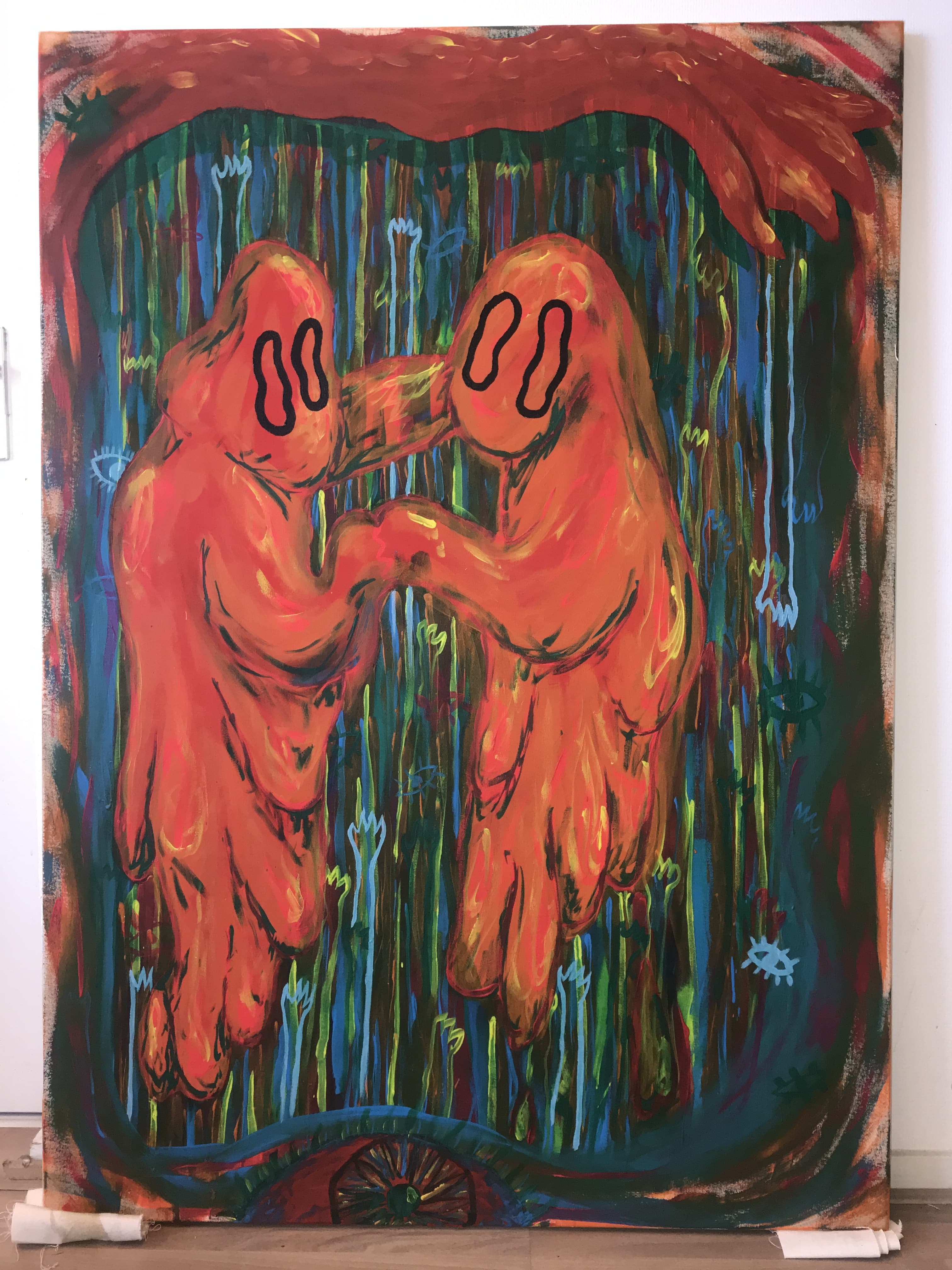
Two Dancing Ghosts
Kasper van Moll
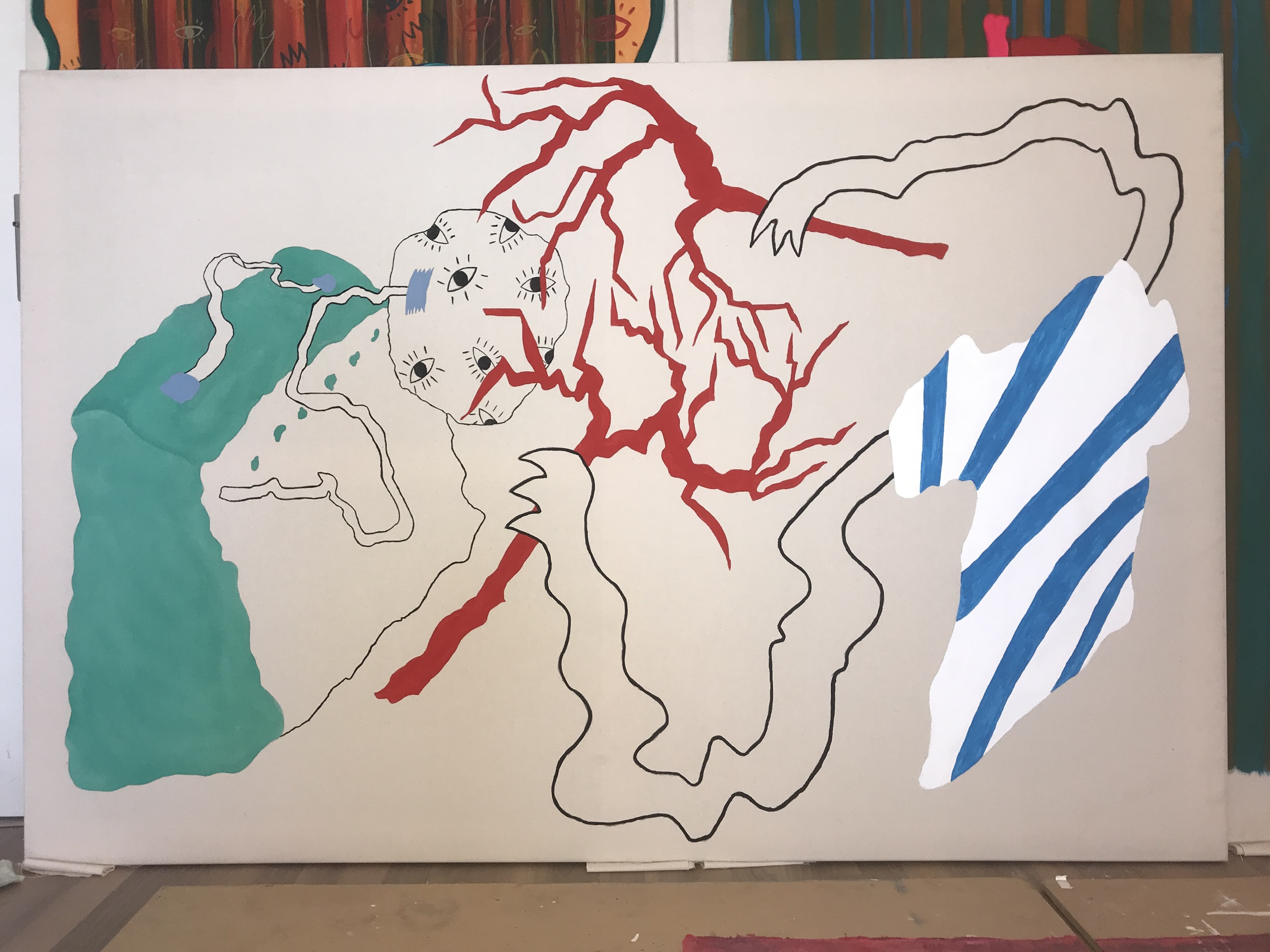
Amplified Air-Ball Synth Played By A Team Player
Kasper van Moll
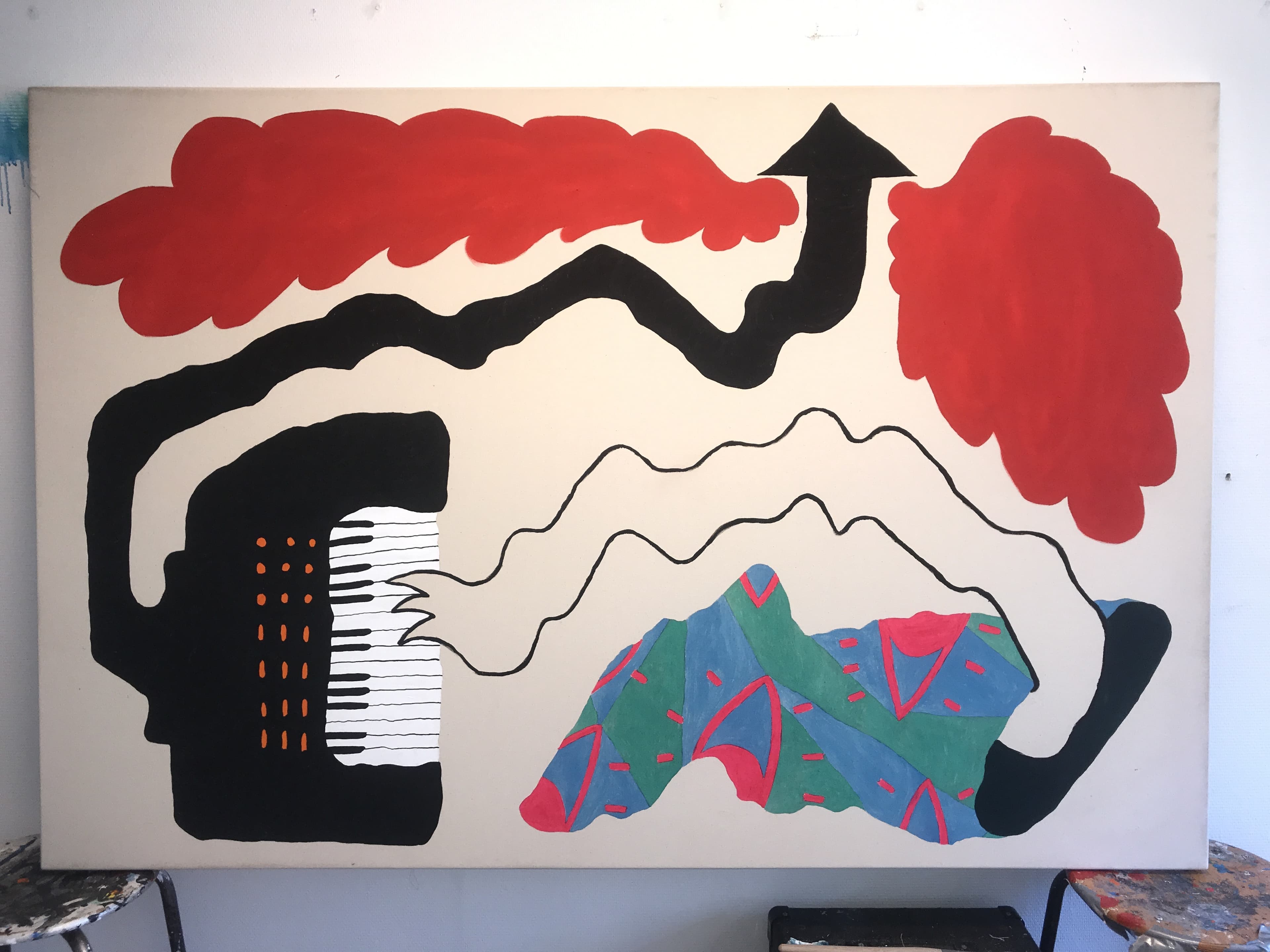
Static Electricity Ghost
Kasper van Moll
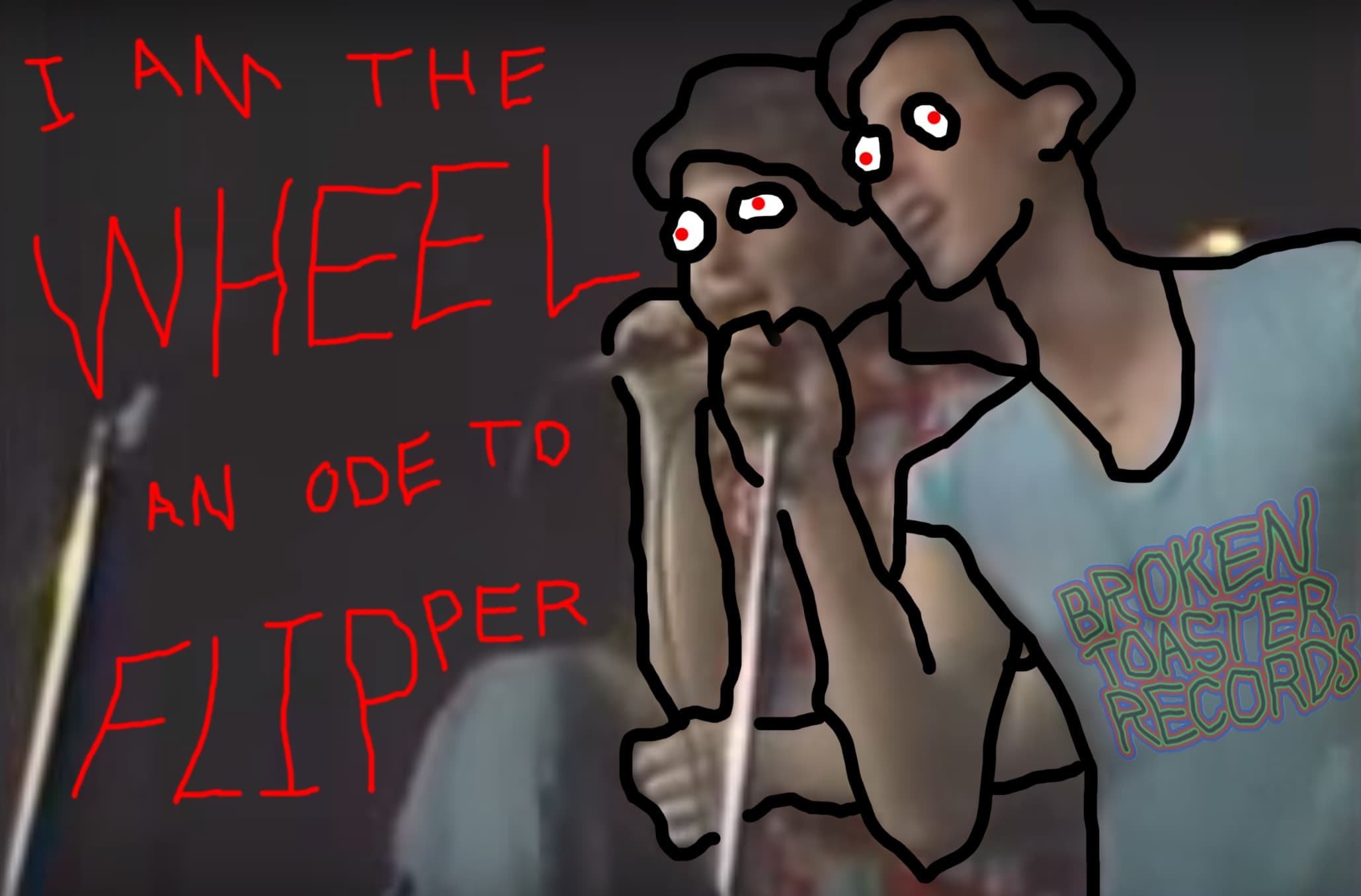
IAMTHEWHEEL
Kasper van Moll